

Why Your Lower Back Hurts When Sitting (Plus 5 Easy Fixes You Can Start Today)

If your lower back starts aching after sitting for a while, you’re not alone. It’s one of the most common back pain complaints adults experience.
Many people assume something must be seriously wrong with their spine when this happens. In reality, the cause is often much simpler: the human body just wasn’t designed to sit for long periods of time. In many cases, sitting-related back pain is mechanical and reversible, meaning small changes in posture, movement, and muscle balance can make a big difference.
Let’s look at why sitting can trigger lower back pain—and what you can start doing today to help reduce it.
Why Sitting Causes Lower Back Pain
When you sit, several things happen inside your body that can increase stress on the lower back.
1. Your spine loses its natural curve
Your lower back normally has a gentle inward curve called lumbar lordosis. When you slouch or lean forward while sitting, that curve flattens. This shifts pressure onto the intervertebral discs, which can contribute to stiffness and discomfort over time.
2. Your hip flexors tighten
Sitting keeps the hips in a flexed position for long periods. Over time, the hip flexor muscles in the front of the hips can become tight. Tight hip flexors can pull on the pelvis and increase strain on the lower back.
3. Your core muscles become less active
Deep core muscles help stabilize the spine. When sitting for long periods, these muscles tend to relax. Without active support from these stabilizing muscles, the joints and discs in the lower back may take on more load.
4. You stop moving
Movement is important for spinal health. Sitting still for extended periods can cause joints to stiffen and the muscles that support the spine to fatigue. This combination often leads to the familiar dull ache in the lower back after sitting too long.

5 Easy Fixes You Can Start Today
The good news is that many cases of sitting-related back pain improve with small daily changes.
1. Use a small lumbar support
One simple solution is adding support to the natural curve of your lower back. A small pillow or rolled-up towel placed behind the lower back can help maintain the spine’s natural curve and reduce pressure on the discs.
2. Follow the “30-minute rule”
Try not to sit longer than 30 minutes without getting up and moving. Stand up, stretch, or walk around briefly. Even short movement breaks help restore circulation to spinal muscles and reduce stiffness.
3. Adjust your chair height
Many workstations place people in a poor sitting position.
A few adjustments can help:
• Feet flat on the floor
• Knees at or slightly below hip level
• Computer screen at eye level
When the workstation is properly set up, the spine doesn’t have to work as hard to stay upright.
4. Stretch your hips once or twice a day
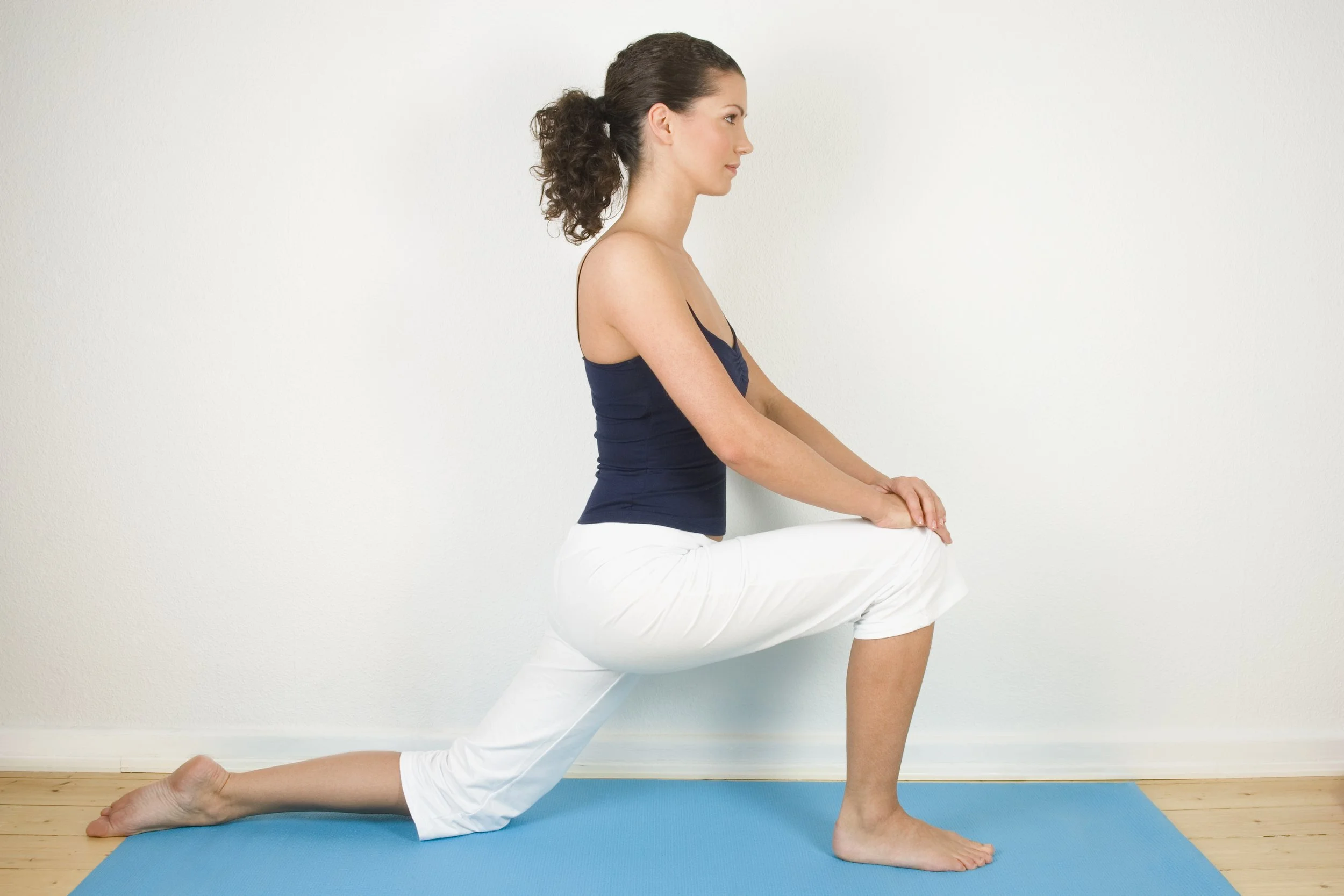
Tight hips are a common contributor to lower back discomfort. A simple hip flexor stretch can help. Kneel on one knee, gently push the hips forward, and hold for about 30 seconds on each side. Doing this once or twice a day can counteract the effects of prolonged sitting.
5. Strengthen your glutes
Weak glute muscles can contribute to lower back strain. The glutes help stabilize the pelvis and support the lower spine. When they are weak, the lower back muscles often compensate.
The following simple exercises can help improve muscle balance:
• Glute bridges
• Bodyweight squats
• Clamshells
The Bottom Line
Lower back pain when sitting is extremely common, and in many cases it is related to posture, muscle imbalance, and staying in one position for too long. Improving sitting posture, moving more frequently, stretching the hips, and strengthening key muscles can often reduce symptoms.
If back pain persists, becomes severe, or is associated with symptoms like leg weakness, numbness, or difficulty walking, it may be worth seeking medical evaluation. For many people, however, a few simple adjustments to daily sitting habits can go a long way toward improving back comfort.
Want a thorough evaluation of your Posture, Back, and Neck health?
About the Author:
Rob Turk, MD, MBA
Spine Surgeon, Texas Back Institute

Rob Turk is a Spine Surgeon at the Texas Back Institute. Dr. Turk has a broad foundation of talent in both medicine and business, previously obtaining his MD at the University of California, San Diego School of Medicine and his MBA at the University of Virginia Darden School of Business. As an entrepreneur and orthopaedic spine surgeon, he has unique and valuable insight on many topics. He is a published author in leading scientific journals such as JBJS and Arthroscopy, has written multiple book chapters, and has been a reviewer for a number of scientific journals. He is passionate about motion preservation and innovation in spine care, health equity, delicious food, and sports.
Disclaimer:
As a service to our readers, MyBackHub provides access to our library of archived content. Please note the date of last review or update on all articles.
No content on this site, regardless of date, should ever be used as a substitute for direct medical advice from your doctor or other qualified clinician.
