

Scoliosis and Body Casts: Outdated Myth or Modern Medicine?
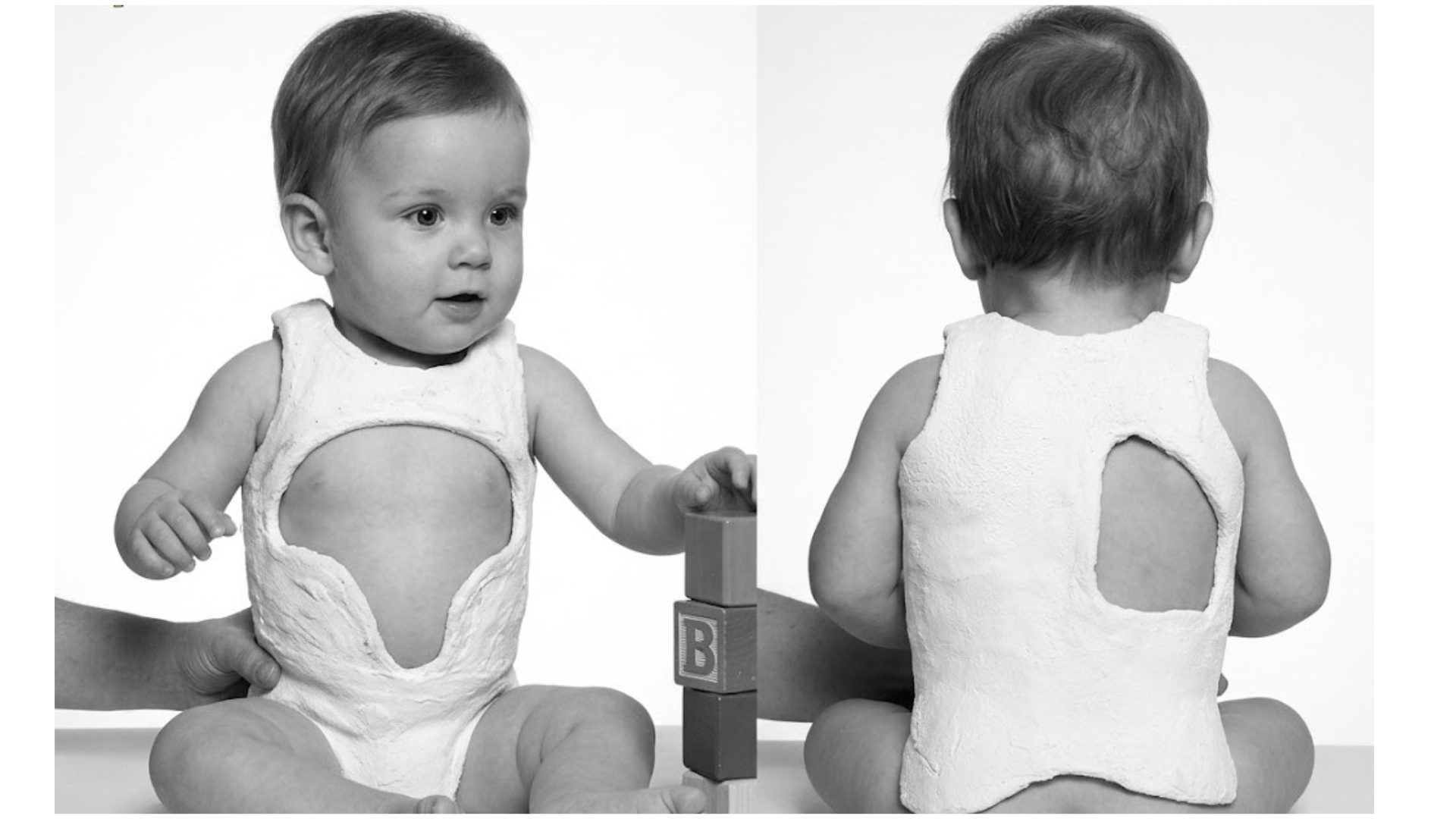
When people hear “scoliosis treatment,” they often picture a child encased in a full body cast. It’s an image that feels outdated and uncomfortable. So do full body casts still exist for scoliosis?
The short answer: yes—but only in very specific situations.
What is a scoliosis cast?
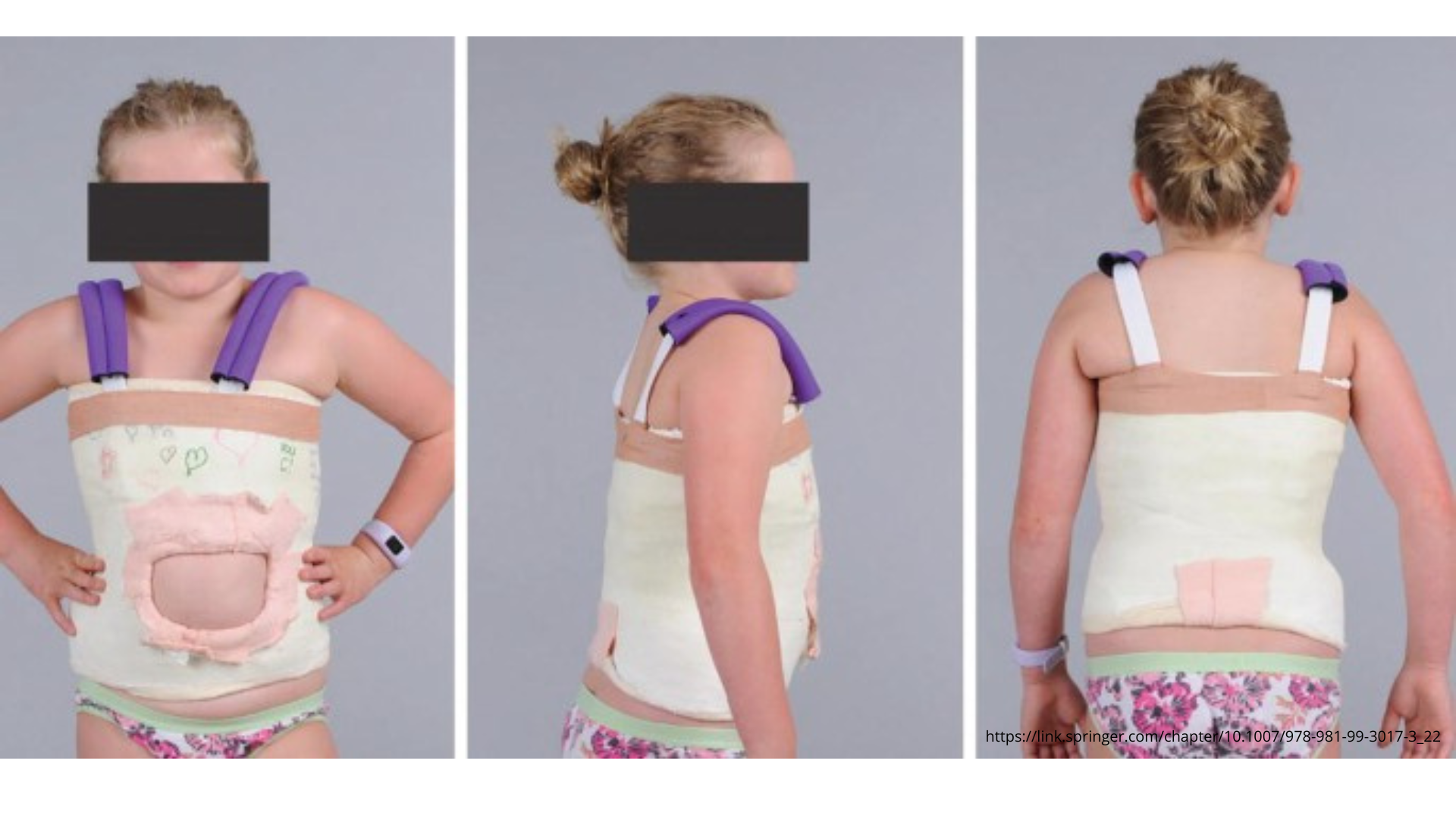
A scoliosis cast, often called a “body cast” or “Mehta cast,” is a rigid plaster or fiberglass cast applied from the shoulders down to the hips. It’s typically used in very young children with early-onset scoliosis (usually under age 5).
The goal isn’t just to hold the curve in place. In toddlers and preschool-aged children, casting can actually guide spinal growth and, in some cases, partially correct the curve over time. At that age, the spine is still very moldable, and growth works in our favor.
When is casting used?
Casting is most commonly used for:
Infantile or early-onset scoliosis
Progressive curves in children too young for bracing
Situations where surgery would be too aggressive
It is not used for adolescents or adults. By the teenage years, the spine is much more rigid, and casting wouldn’t meaningfully change curve progression.
How long does a child stay in a cast?
Casts are typically changed every 2–3 months under anesthesia. A child may need serial casting for 1–2 years depending on how the curve responds.
It’s understandably intimidating for parents. But children are remarkably adaptable. They can still walk, play, and participate in many normal activities. Pediatric teams are highly experienced in helping families manage hygiene, skin care, and mobility.
Is casting better than bracing?
They serve different roles.
Bracing is commonly used for adolescents and adults with moderate curves to prevent progression. Casting, on the other hand, is usually reserved for very young children with rapidly progressing scoliosis.
In some early-onset cases, casting may delay or even eliminate the need for early surgery. That’s a major win, since surgery at a very young age carries long-term implications for growth and lung development.

What about adults with scoliosis?
Full body casting is not a treatment for adult scoliosis. In adults, scoliosis management focuses on:
Physical therapy
Strengthening and posture training
Pain management strategies
In some cases, bracing for symptom control
Surgery only when necessary
At MyBackHub, we focus heavily on non-operative strategies that help patients stay active and avoid unnecessary interventions.
The Bottom Line
Full body casts for scoliosis aren’t a relic of the past—but they’re also not common. They’re a specialized pediatric treatment used in very young children to guide spinal growth and potentially prevent early surgery.
If you or your child has scoliosis, treatment depends heavily on age, curve size, and progression risk. The right approach is individualized—and in most cases, far less dramatic than people imagine.
If you’re part of the MyBackHub Membership, share your thoughts with the MyBackHub Community here.
About the Author:
Rob Turk, MD, MBA
Chief Medical Advisor, MyBackHub
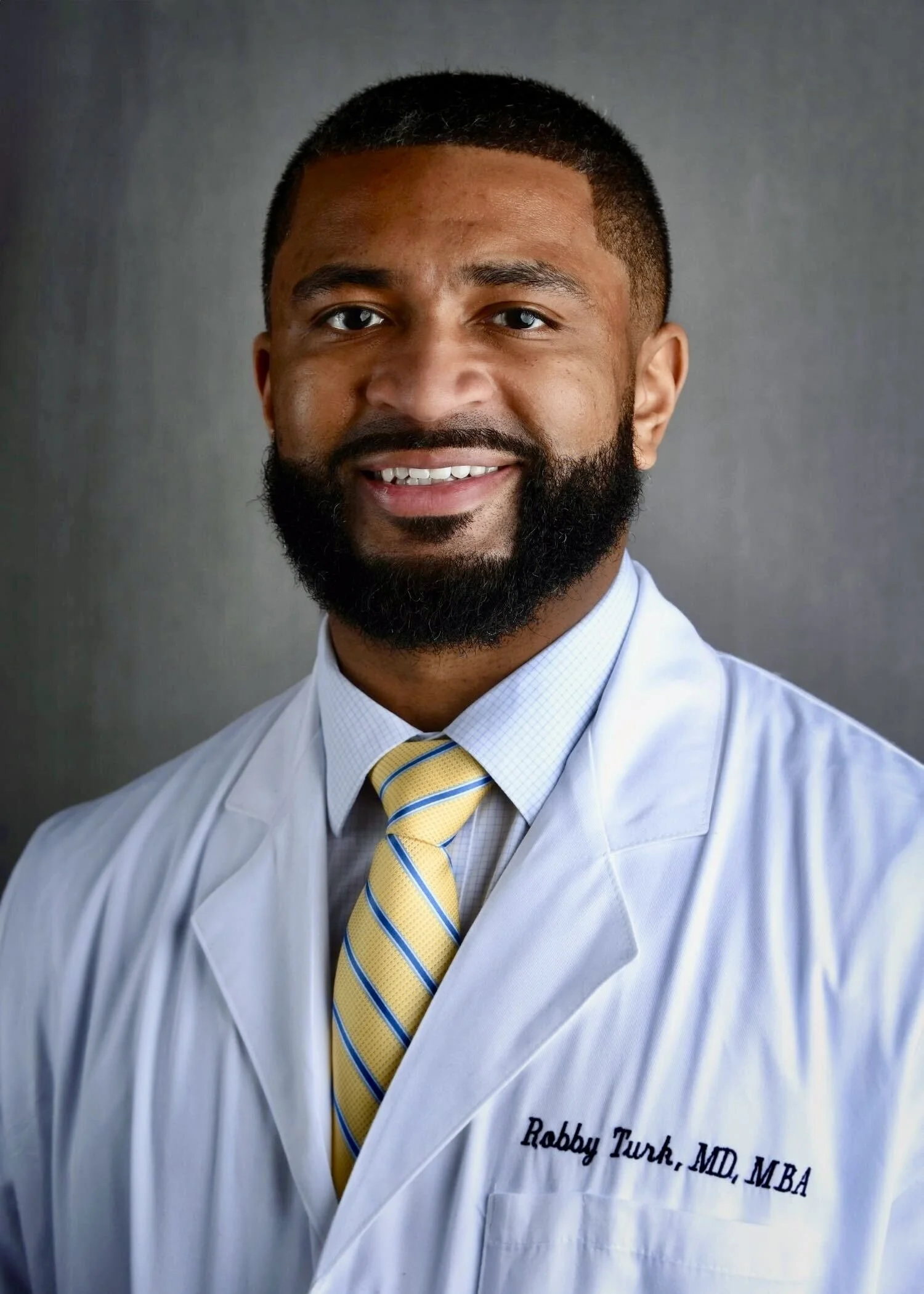
Rob Turk is the Chief Medical Advisor for MyBackHub, Inc. Dr. Turk has a broad foundation of talent in both medicine and business, previously obtaining his MD at the University of California, San Diego School of Medicine and his MBA at the University of Virginia Darden School of Business. As an entrepreneur and orthopaedic spine surgeon, he has unique and valuable insight on many topics. He is a published author in leading scientific journals such as JBJS and Arthroscopy, has written multiple book chapters, and has been a reviewer for a number of scientific journals. He is passionate about motion preservation and innovation in spine care, health equity, delicious food, and sports.
Disclaimer:
As a service to our readers, MyBackHub provides access to our library of archived content. Please note the date of last review or update on all articles.
No content on this site, regardless of date, should ever be used as a substitute for direct medical advice from your doctor or other qualified clinician.
