

The Shark With Scoliosis: What It Teaches Us About the Spine
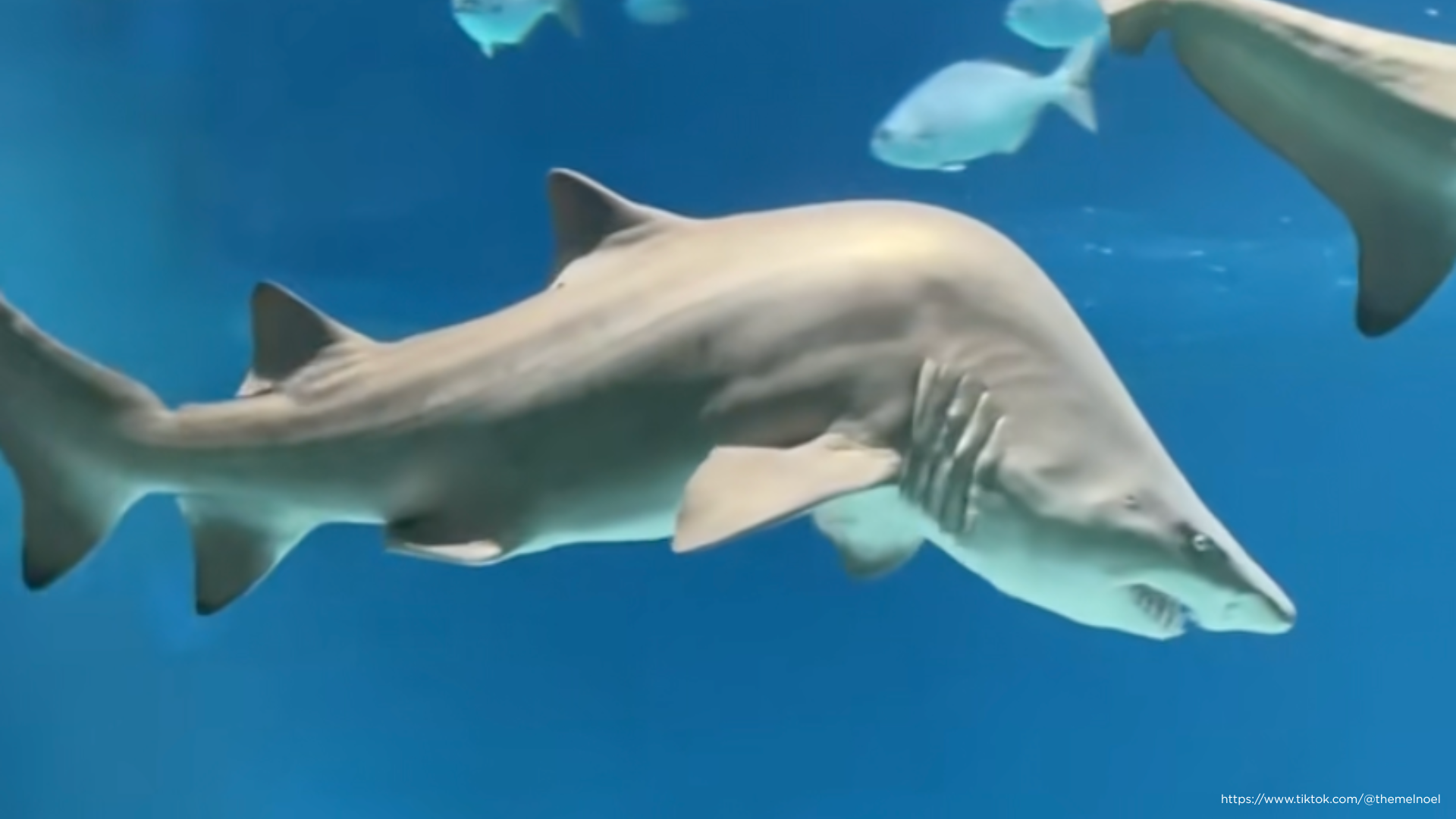
You may have seen headlines about a shark discovered with a significant spinal curvature—essentially scoliosis. If not, take a look here!
It’s a fascinating reminder that scoliosis isn’t uniquely human. Spinal curvature has been observed in whales, dolphins, dogs, and even fish.
Can Animals Get Scoliosis?
Yes.
Scoliosis can occur in animals due to:
Congenital malformations
Injury
Infection
Degenerative changes
Unknown developmental factors
In marine mammals, spinal deformities can affect swimming efficiency, energy expenditure, and migration ability.
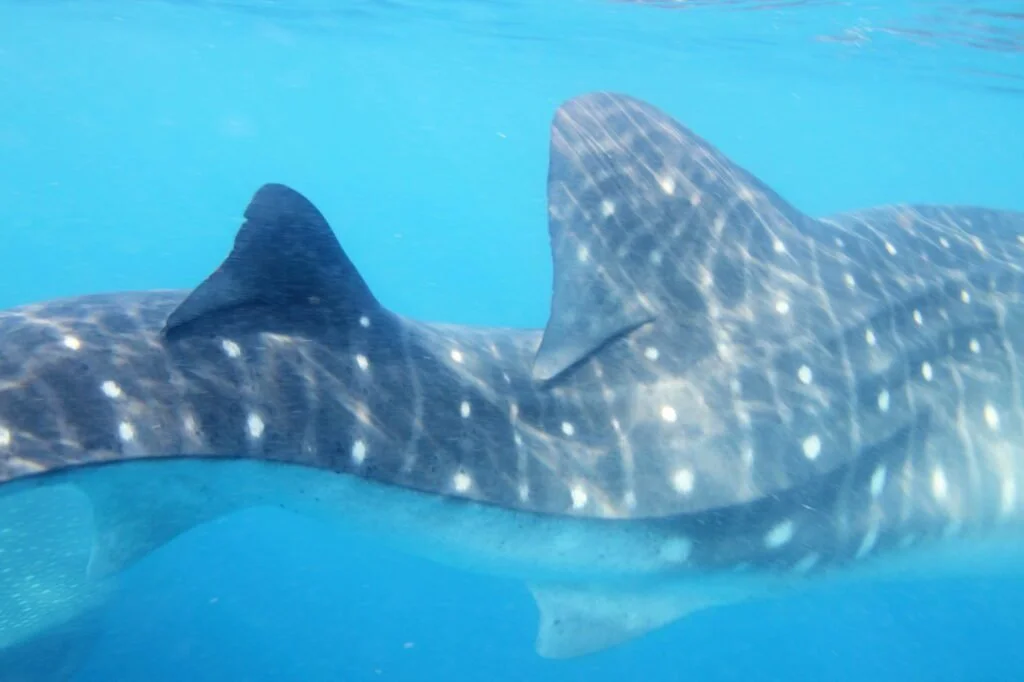
What’s Different in Sharks?
Unlike humans, sharks primarily rely on side-to-side body and tail motion for propulsion, rather than limb-based strokes. A major spinal deformity that alters this lateral wave could disrupt smooth thrust and stability in the water.
In humans, mild scoliosis often causes little functional limitation, and many people with scoliosis are able to participate fully in sports, dance, and other demanding activities.
In a shark, however, body and tail mechanics are central to efficient swimming, so significant spinal distortion would likely have a greater impact on movement than it typically does in humans.
What It Teaches Us
The whale shark example highlights two important lessons:
The spine is a dynamic structure built for movement.
Mild structural differences don’t automatically mean dysfunction.
In humans, pain is not directly proportional to curve size. Some people with large curves have minimal pain. Others with small curves experience discomfort driven more by muscle imbalance than structure.
That distinction matters.

Don’t Panic Over the Curve
Seeing dramatic images of scoliosis—human or animal—can create fear. But most scoliosis cases are manageable and do not require aggressive intervention.
At MyBackHub, we emphasize strength, symmetry training, and education. The spine is adaptable. The body compensates remarkably well.
The whale shark with scoliosis reminds us that curvature exists across species—but it doesn’t have to define capability.
Discover a more structured way to manage scoliosis. Click here to learn more.
About the Author:
Rob Turk, MD, MBA
Chief Medical Advisor, MyBackHub

Rob Turk is the Chief Medical Advisor for MyBackHub, Inc. Dr. Turk has a broad foundation of talent in both medicine and business, previously obtaining his MD at the University of California, San Diego School of Medicine and his MBA at the University of Virginia Darden School of Business. As an entrepreneur and orthopaedic spine surgeon, he has unique and valuable insight on many topics. He is a published author in leading scientific journals such as JBJS and Arthroscopy, has written multiple book chapters, and has been a reviewer for a number of scientific journals. He is passionate about motion preservation and innovation in spine care, health equity, delicious food, and sports.
Disclaimer:
As a service to our readers, MyBackHub provides access to our library of archived content. Please note the date of last review or update on all articles.
No content on this site, regardless of date, should ever be used as a substitute for direct medical advice from your doctor or other qualified clinician.
