Managing Scoliosis Pain: Can Scoliosis Worsen Over Time?
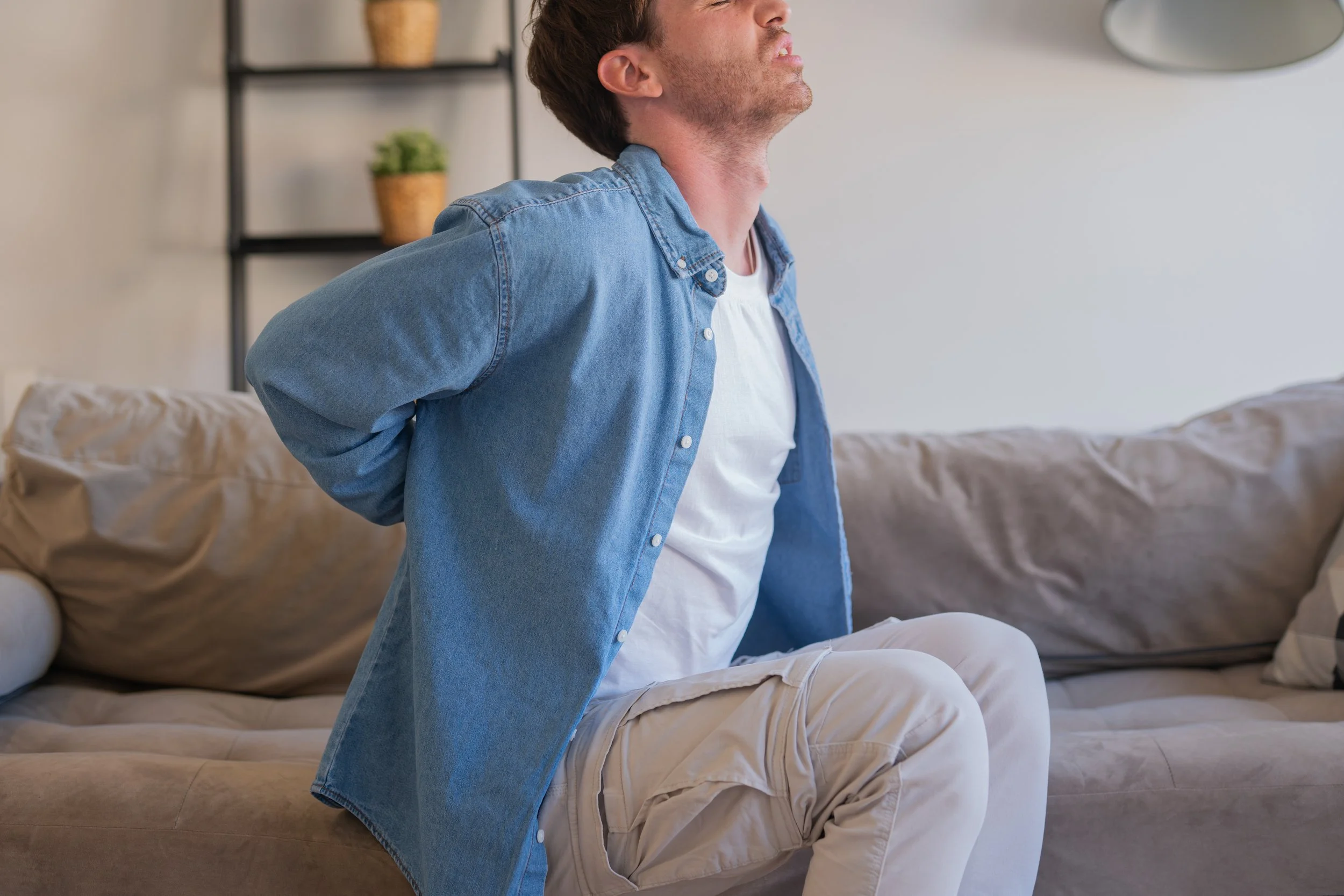
Experiencing chronic back pain can be an isolating journey, and for many in our community, the question of whether conditions like scoliosis can worsen over time is a constant concern. We understand these anxieties, especially when everyday movements become a challenge. The MyBackHub Team is here to offer clarity, support, and practical strategies to help you navigate your back pain journey, focusing on conditions like scoliosis and general lower back discomfort. You’re not alone, and there are many effective ways to find relief and improve your quality of life.
Understanding Back Pain Types & Causes
Back pain, especially in the lower back, is an incredibly common issue, affecting up to 80% of adults at some point in their lives. It can stem from various sources, making a precise understanding essential for effective management. From structural issues like scoliosis to muscular strains and degenerative conditions, identifying the root cause is the first step toward lasting relief.
What are the common causes of lower back pain?
Lower back pain often results from muscle strains, ligament sprains, herniated discs, degenerative disc disease, arthritis, and structural issues like scoliosis. Poor posture, improper lifting, and prolonged sitting also contribute to discomfort.
When should I see a doctor for back pain?
Consult a healthcare provider if your back pain is severe, constant, worsens at night, spreads down a leg (sciatica), causes weakness or numbness, or is accompanied by unexplained weight loss or fever. Professional advice is crucial for accurate diagnosis and personalized treatment.
Can scoliosis cause back pain?
Yes, scoliosis, an abnormal spinal curvature, can cause back pain. While mild scoliosis might be pain-free, larger curves can lead to muscle imbalances, nerve pressure, and uneven stress on spinal joints, resulting in chronic discomfort, especially in the lower back.
What is the lifetime risk of developing back pain?
Studies consistently show that up to 80% of individuals will experience significant back pain at some point in their lives. This high prevalence underscores the importance of understanding prevention and management strategies for this widespread condition.
How do herniated discs contribute to chronic back pain?
A herniated disc occurs when the soft inner material of a spinal disc pushes through its tougher exterior, potentially pressing on nearby nerves. This pressure can cause localized back pain, as well as pain, numbness, or weakness radiating into the legs, commonly known as sciatica.
Top Back Pain Relief Methods & When to Seek Help
Navigating back pain, whether from scoliosis or other causes, often involves a multi-faceted approach. Our team empowers you with actionable strategies, from targeted exercises to lifestyle adjustments, all aimed at providing effective lower back pain relief at home and improving overall spinal health.
What are effective exercises for lower back pain relief at home?
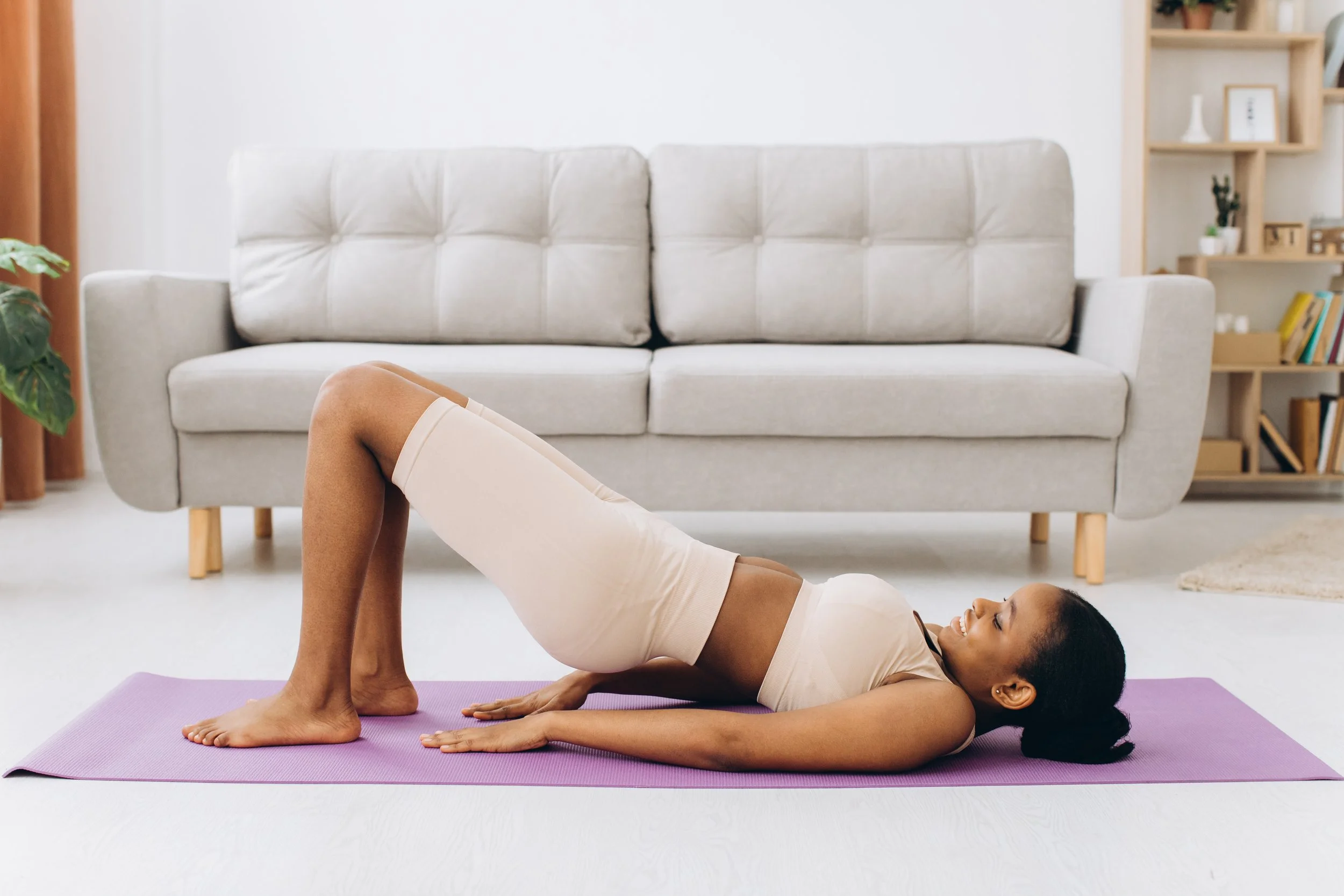
Gentle exercises like pelvic tilts, cat-cow stretches, knee-to-chest, and bird-dog can significantly strengthen core muscles and improve flexibility, offering valuable lower back pain relief. Consistency is key, with modifications based on comfort.
Pelvic Tilts: Lie on back, knees bent, feet flat. Flatten lower back by tightening abs, tilting pelvis up. Hold 5 secs, release. Repeat 10-15 times.
Cat-Cow Stretch: On hands and knees, arch back, then drop belly, lift head. Synchronize with breath. Repeat 10-15 times.
Knee-to-Chest: Lie on back, pull one knee to chest, hold 20-30 secs. Alternate. Repeat 2-3 times per leg.
How do Schroth exercises help with scoliosis pain relief?
Schroth exercises are a specialized physical therapy method designed to correct scoliotic curves through specific strengthening, stretching, and breathing. They aim to de-rotate, elongate, and stabilize the spine, improving posture, reducing pain, and potentially slowing curve progression.
What are the best sleeping positions for lower back pain?
Sleeping on your side with a pillow between your knees, or on your back with a pillow under your knees, helps maintain the spine's natural curve and reduces lower back strain. Avoid stomach sleeping, which can hyper-extend the spine and strain the neck.
What are the best pillows for back pain?
The "best" pillow varies by sleeping position. Side sleepers often benefit from thicker, firmer pillows. Back sleepers typically need a medium-loft pillow to support the neck's curve. Avoid very thin or very thick pillows regardless of position.
What piriformis stretch is effective for sciatica exercises?
The reclined piriformis stretch is excellent for sciatica pain relief. Lie on your back, cross one ankle over the opposite knee, then gently pull the uncrossed knee towards your chest until you feel a stretch in your gluteal area. Hold for 20-30 seconds per side.
What are non-surgical back pain treatment options?
Non-surgical back pain treatment includes physical therapy, chiropractic care, massage, heat/cold therapy, acupuncture, and mind-body practices like yoga. These focus on improving function, reducing inflammation, and building strength without invasive procedures.
What lifestyle changes can reduce scoliosis pain?
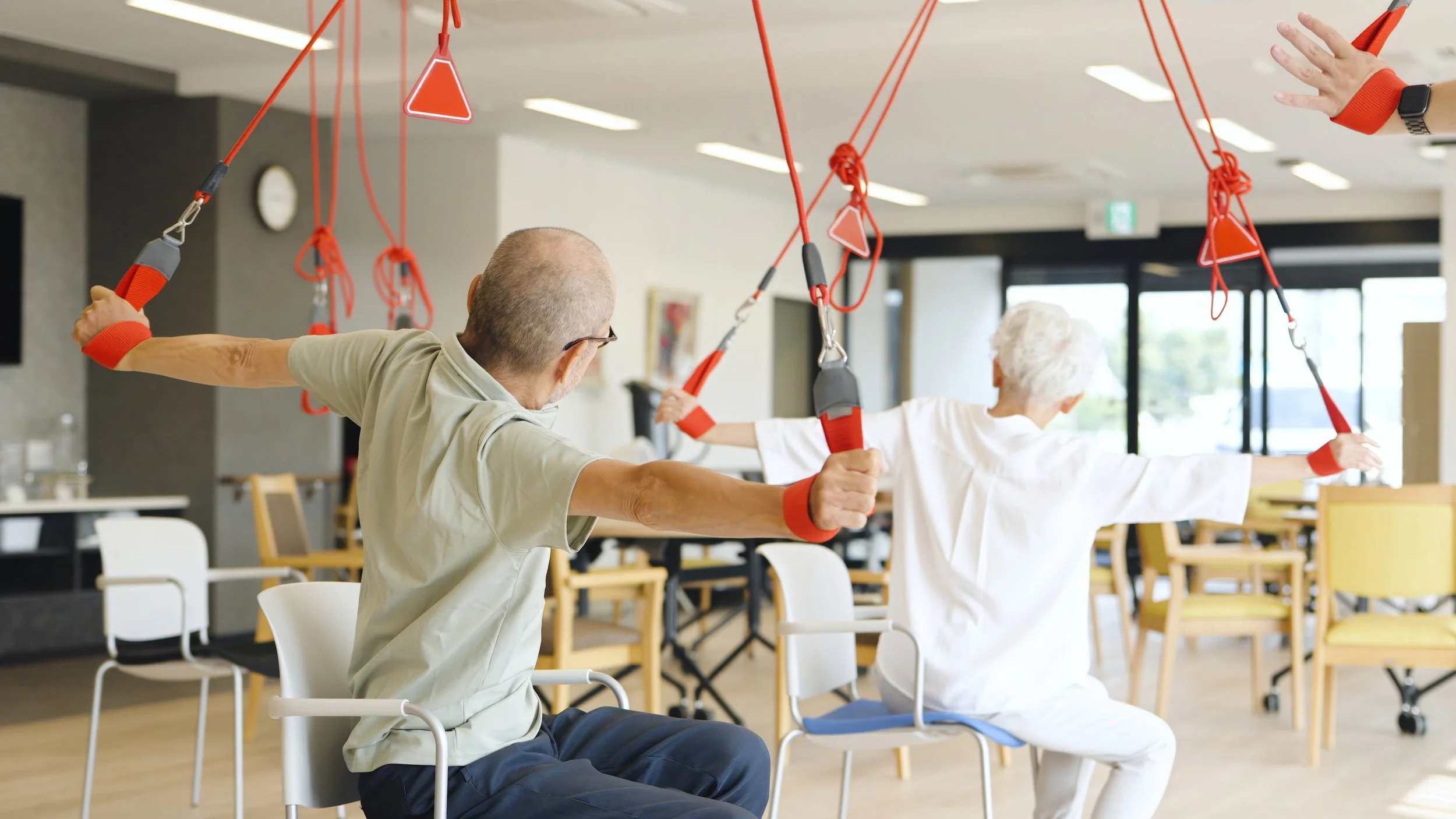
Maintaining a healthy weight, regular low-impact exercise, practicing good posture, and using ergonomic setups (e.g., proper desk chair) can significantly reduce spinal strain and minimize scoliosis pain. Avoiding prolonged static positions is also crucial.
What are effective stretching routines for general chronic back issues?
Gentle and consistent stretching can significantly alleviate general chronic back issues. Focus on hip flexor stretches, hamstring stretches, and gentle spinal twists. Perform stretches slowly, holding for 20-30 seconds, and avoid bouncing movements.
Can heat and cold therapy provide significant back pain relief?
Yes, alternating heat and cold therapy can be very effective for back pain relief. Heat helps relax tight muscles and increase blood flow, while cold can reduce inflammation and numb the area. Use heat for chronic stiffness and cold for acute flare-ups.
Frequently Asked Questions About Back Pain & Scoliosis
We often hear similar questions from members of our community. Here are some of the most common inquiries, broken down to provide clear, actionable insights.
Can adult scoliosis get worse with age?
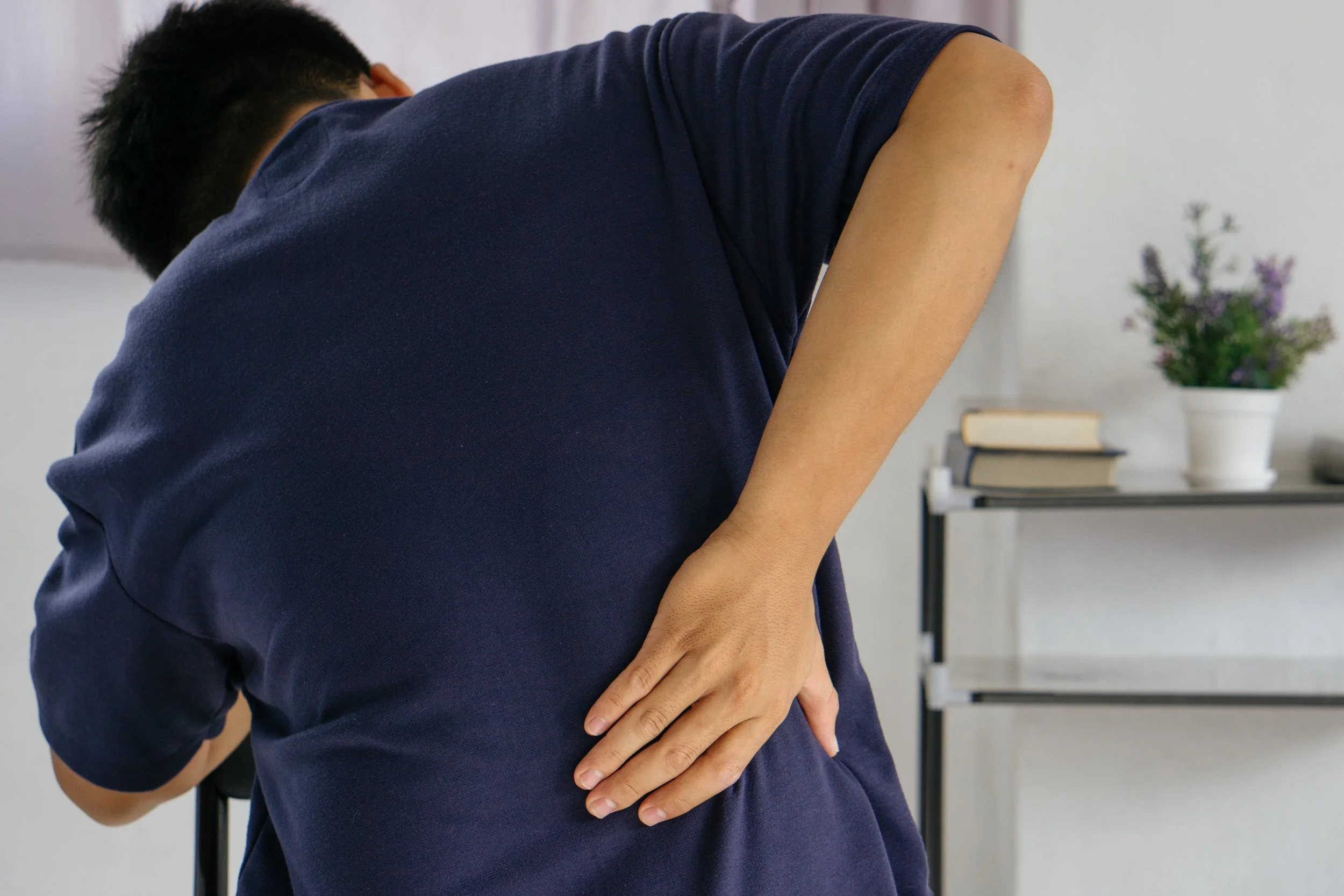
Yes, in some cases, adult scoliosis can progress with age, particularly if the initial curve was moderate to severe. Degenerative changes can also contribute to progression. Regular monitoring is advisable.
Are there certain foods that worsen back pain?
While definitive links are still being researched, some individuals report increased inflammation and pain with highly processed foods and excessive sugar. Focusing on an anti-inflammatory diet may be beneficial as well.
How often should I do sciatica exercises?
For sciatica exercises, aim for daily practice or 3-5 times a week, ensuring you don't push into pain. Consistency is more important than intensity, and gradual progression is key.
Is heat or cold better for back pain?
Both heat and cold can be effective. Cold therapy (ice packs) is generally for acute pain and inflammation, while heat therapy (heating pads) helps relax tight muscles for chronic stiffness. Experiment to see what works best for you.
Can poor posture cause scoliosis?
No, poor posture does not cause scoliosis. Scoliosis is a structural condition, often idiopathic, congenital, or degenerative. However, poor posture can exacerbate pain for those already with scoliosis and contribute to other back pain types.
What role does hydration play in back pain?
Staying well-hydrated is crucial for spinal health, as intervertebral discs are largely water. Proper hydration helps maintain disc elasticity and cushioning, indirectly supporting back pain relief.
How can I adapt my workspace for better back health?
Ergonomic adjustments like using a supportive office chair, ensuring your feet are flat on the floor or a footrest, positioning your monitor at eye level, and taking frequent short breaks to stretch and move can significantly reduce lower back strain.
What are the benefits of mindful movement practices for back pain?
Practices like yoga and Tai Chi focus on slow, controlled movements, deep breathing, and body awareness. They can improve flexibility, strengthen core muscles, reduce stress, and enhance overall body alignment, all contributing to back pain relief.
When is surgical intervention considered for back pain or scoliosis?
Surgical intervention is typically considered a last resort for back pain or scoliosis when conservative treatments have failed, especially if there's severe nerve compression, progressive neurological deficits, or significant spinal instability or curve progression in scoliosis that impacts organ function.
Conclusion
Finding comprehensive lower back pain relief at home is a journey, not a destination. Our team at MyBackHub is committed to supporting you every step of the way, offering guidance on everything from targeted exercises and stretches to understanding conditions like scoliosis. Our experience working with members shows that with consistent effort and the right tools, significant improvements in comfort and mobility are achievable. We are here to empower you with the knowledge and strategies to better manage your back health and enhance your quality of life.
Looking for Personalized Support for your Scoliosis? Learn more here.
Disclaimer:
This article reflects general guidance from The MyBackHub Team and is not a substitute for medical advice. Always consult a qualified healthcare provider before starting any new exercise or treatment.