At-Home Exercises For Lasting Lower Back Pain Relief
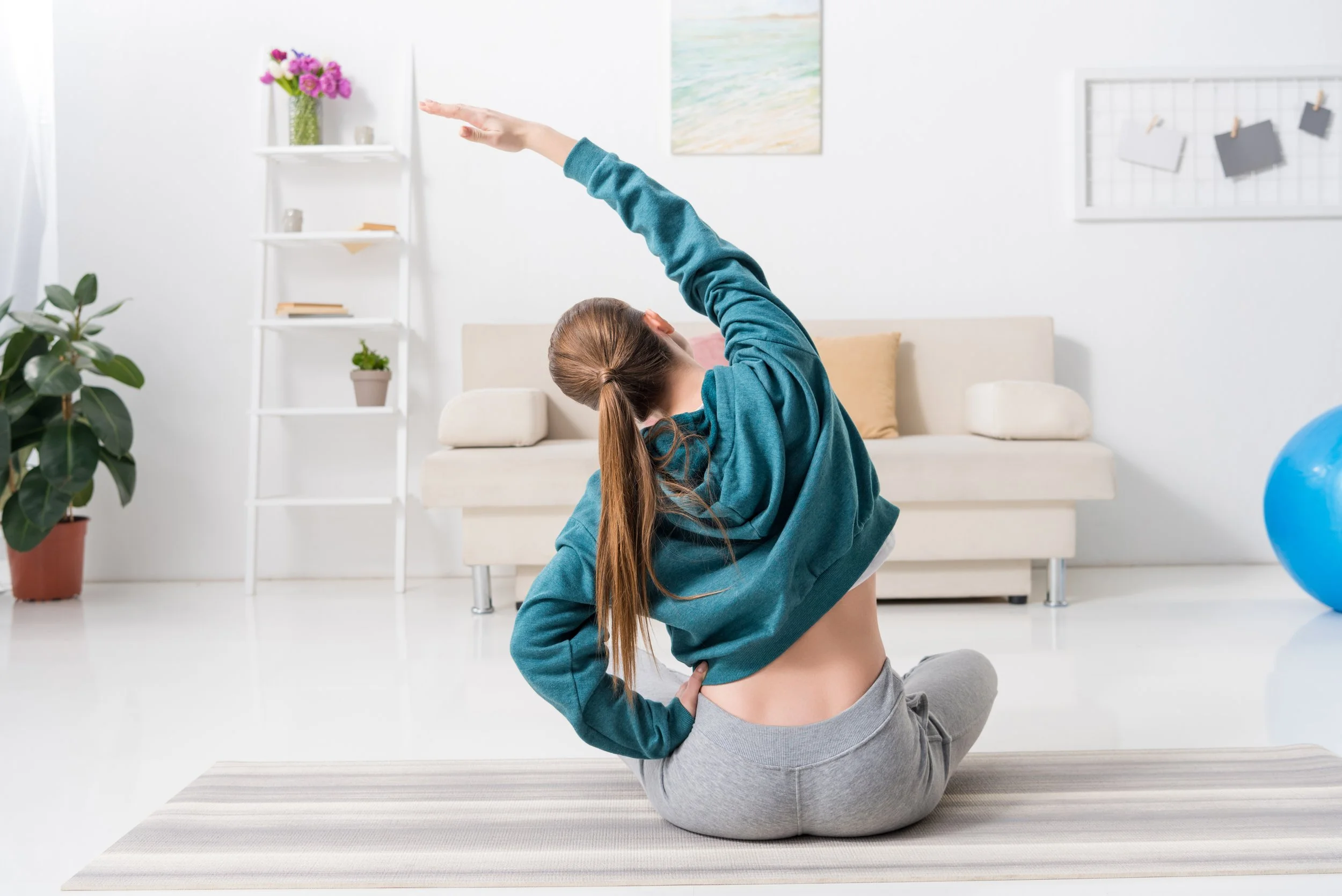
Living with chronic back pain can feel like a constant battle, impacting every aspect of your daily life. That nagging ache, sharp twinge, or persistent stiffness can make simple tasks feel monumental and steal your joy. If you’ve found that stretching alone isn't quite cutting it, you're not alone. Many people experience temporary relief from stretching but struggle to achieve lasting freedom from back discomfort. At MyBackHub, we understand this journey. Our team is dedicated to providing comprehensive, evidence-based approaches to effectively manage and often significantly reduce lower back pain, offering strategies that go beyond a quick stretch. We believe lasting relief is possible, and we're here to guide you toward a more comfortable, active life.
Understanding Back Pain and its Impact
Back pain is an incredibly common issue, with an estimated 80% of adults experiencing it at some point in their lives. While it can strike at any age, it becomes more prevalent as we get older, often due to a combination of lifestyle factors, age-related changes, and accumulated stress on the spine. Understanding the potential causes and when to seek professional help is crucial for effective management.
What are the common causes of lower back pain?
Lower back pain can stem from various sources, including muscle strains, ligament sprains, herniated or bulging discs, sciatica (nerve compression), scoliosis, piriformis syndrome, and degenerative conditions. Poor posture, repetitive movements, heavy lifting, and prolonged sitting are also significant contributors to developing back pain over time.
When should you see a healthcare provider for back pain?
It's important to consult a healthcare provider if your pain is severe, persistent (lasting more than a few weeks), or accompanied by concerning symptoms. These "red flags" include numbness or tingling in the legs, weakness, bladder or bowel control issues, unexplained weight loss, or fever. Early intervention can prevent chronic issues and rule out more serious underlying conditions.
Effective Strategies for Lower Back Pain Relief at Home
Achieving sustainable back pain relief often requires a multi-faceted approach, combining specific exercises, posture adjustments, ergonomic changes, and therapeutic techniques. Our team emphasizes strategies that empower you to take an active role in your recovery and long-term well-being.
What are the best exercises for sciatica relief?
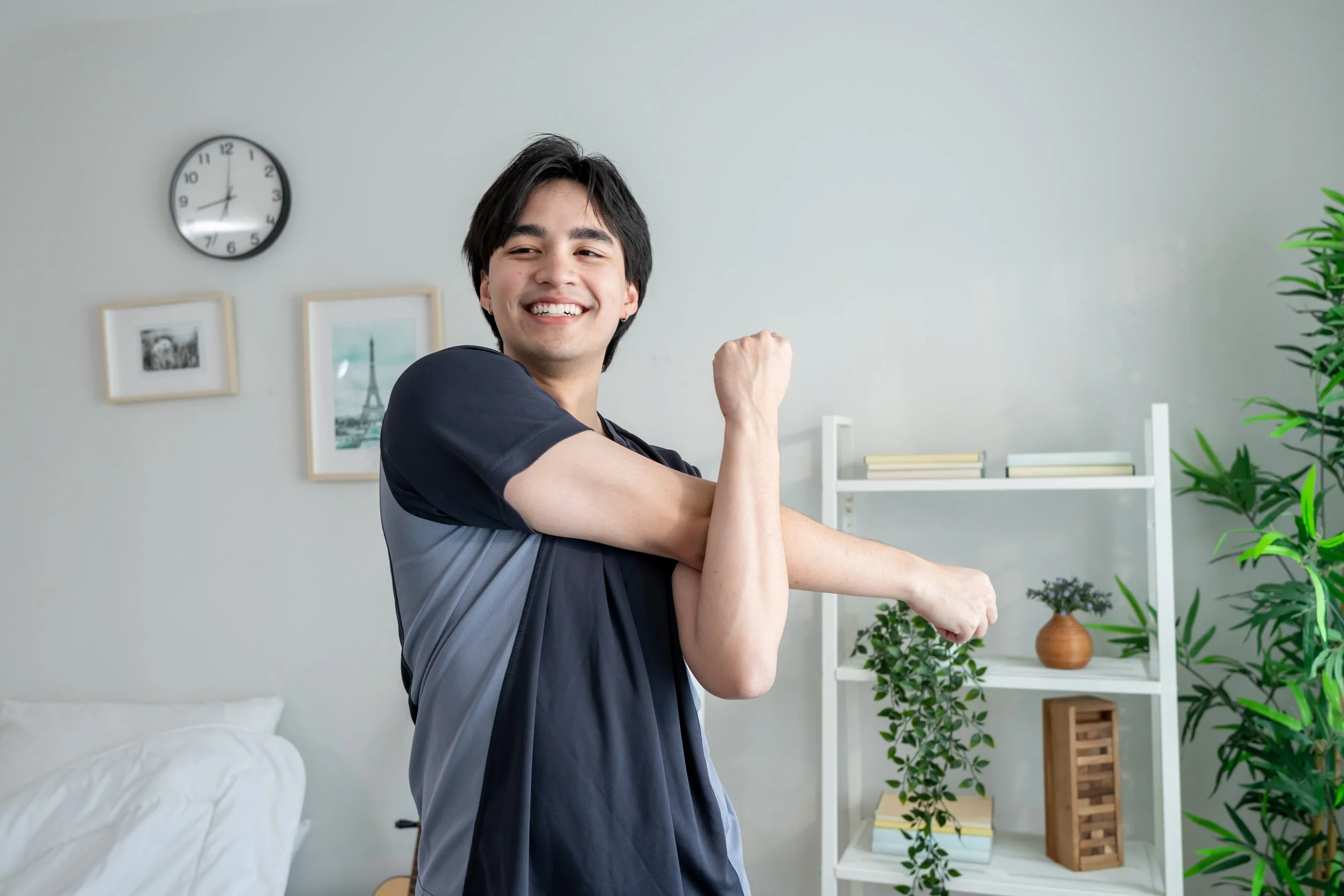
Sciatica pain, characterized by discomfort radiating down the leg, benefits from exercises that gently decompress the nerve and strengthen supporting muscles. The piriformis stretch, knee-to-chest stretch, and pelvic tilts are often recommended. Gradual core strengthening is also vital for long-term sciatica relief once acute pain subsides.
How can I relieve scoliosis pain through exercise?
For scoliosis pain relief, targeted exercises focusing on spinal alignment, core strengthening, and improving muscular balance are key. The Schroth method, under professional guidance, is effective, but general exercises like pelvic tilts, bird-dog, and specific side planks can help strengthen and stabilize the trunk, supporting spinal curves.
What exercises help with a herniated disc in the lower back?
Exercises for a herniated disc typically focus on gentle movements to reduce pressure on the disc and strengthen surrounding muscles. McKenzie method exercises, such as prone press-ups, can be beneficial, as well as core stabilization exercises like gentle abdominal bracing and modified planks. Always start slowly and stop if any exercise increases your pain.
What are effective piriformis stretches for back pain and sciatica?
The piriformis stretch aims to release tension in the piriformis muscle. Lie on your back, cross one leg over the other, placing your ankle just above the opposite knee. Gently pull the bottom leg towards your chest until you feel a stretch in your glute. Hold for 20-30 seconds, and repeat on both sides.
Can physical therapy help with lower back pain?
Yes, physical therapy is one of the most effective non-surgical back pain treatment options. A physical therapist assesses your specific condition and creates a personalized program that includes therapeutic exercises, manual therapy, and education on posture and body mechanics. They help improve strength, flexibility, mobility, and reduce pain.
How do lifestyle changes contribute to long-term back pain relief?
Lifestyle changes are crucial for long-term back pain relief. This includes maintaining a healthy weight, regular low-impact exercise, adopting ergonomic principles at work and home, ensuring proper lifting techniques, and managing stress. Consistent healthy habits significantly contribute to preventing pain recurrence.
What are the best sleeping positions for lower back pain?
For sleeping positions for lower back pain, sleeping on your side with a pillow between your knees, or on your back with a pillow under your knees, can help maintain the natural curve of your spine and reduce strain. Avoid sleeping on your stomach, as this can exacerbate lower back issues.
How do I choose the best pillows for back pain?
Choosing the best pillows for back pain involves selecting one that provides adequate support for your head and neck, maintaining spinal alignment. Look for pillows that fill the gap between your head/neck and the mattress. Memory foam or orthopedic pillows are often good choices. The right mattress also plays a significant role.
What non-surgical back pain treatments are available beyond exercise?
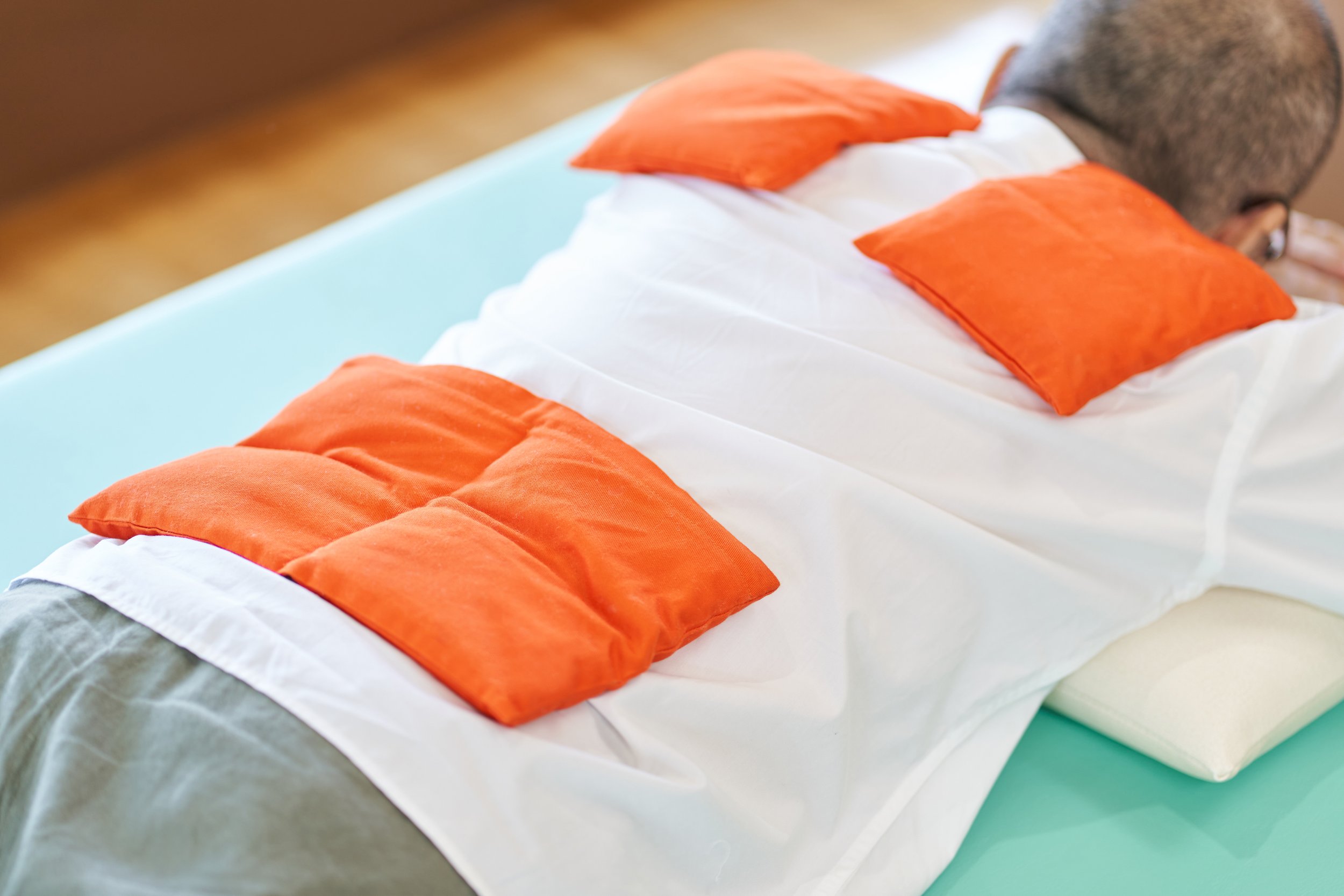
Heat/Cold Therapy - Heat relaxes muscles; cold reduces inflammation. - Use heat for chronic stiffness, cold for acute injuries. Apply for 15-20 minutes.
Manual Therapies
Chiropractic care focuses on spinal adjustments.
Massage therapy relieves tension.
Seek licensed practitioners. Chiropractic for mechanical issues; massage complements treatments.
Acupuncture - May reduce pain and inflammation by stimulating specific points.
Effective complementary therapy.
Ensure a licensed practitioner.
Mind-Body Practices - Meditation, yoga, and mindfulness manage pain, reduce stress, improve body awareness.
Regular practice is key.
Some yoga offers gentle stretching and strengthening.
Ergonomic Adjustments - Modifying your workspace, car, and home setup reduces strain.
Optimize chair, desk, screen.
Use lumbar support.
Frequently Asked Questions About Back Pain

How long does it take to get relief from chronic lower back pain?
The timeline for relief varies greatly depending on the cause, severity, and consistency of treatment. Significant improvement can often be seen within weeks to a few months of consistent effort, though ongoing management may be necessary for lasting relief.
Is walking good for lower back pain?
Yes, walking is generally excellent for lower back pain. It's a low-impact exercise that can strengthen core muscles, improve circulation, and help maintain spinal mobility. Start with short, gentle walks and gradually increase duration and intensity as tolerated.
Can poor posture cause chronic back pain?
Absolutely. Poor posture is a major contributor to chronic back pain. Slouching and unnatural positions place excessive strain on your spinal discs, ligaments, and muscles, leading to muscle imbalances, stiffness, and pain over time. Correcting posture is vital.
What is the role of core strength in preventing back pain?
A strong core is fundamental for preventing and alleviating back pain. Your core muscles act as a natural corset, providing stability and support for your spine. Weak core muscles can lead to increased spinal instability and strain, making you more susceptible to injury and pain.
How can I relieve back pain while sitting at a desk?
To relieve back pain while sitting at a desk, ensure your chair provides good lumbar support, keep your feet flat, and position your screen at eye level. Take frequent short breaks to stand, stretch, and walk around. Consider an ergonomic setup.
Are there specific exercises to avoid with lower back pain?
Yes, certain exercises can worsen lower back pain, especially during acute flare-ups. These often include full sit-ups, heavy deadlifts or squats with poor form, high-impact activities, and excessive twisting. Always listen to your body and avoid any exercise that increases your pain.

Conclusion
Navigating chronic lower back pain can feel overwhelming, but remember that you don't have to face it alone. Our team at MyBackHub is committed to empowering you with the knowledge and tools you need to find real, lasting relief. By understanding the root causes, adopting targeted exercises, and integrating healthy lifestyle practices, you can significantly improve your quality of life. We’ve seen incredible transformations within our community, and we believe in the power of a comprehensive, proactive approach to back health.
If you’re ready to explore personalized strategies and discover non-surgical solutions that truly make a difference, we invite you to see if you qualify to join our membership program at little or no cost through your insurance.
Visit https://mybackhub.com/eligibility today to take the first step towards a stronger, pain-free back.
Disclaimer:
This article reflects general guidance from The MyBackHub Team and is not a substitute for medical advice. Always consult a qualified healthcare provider before starting any new exercise or treatment.