Early Scoliosis Signs: Don't Ignore Back Pain Signals
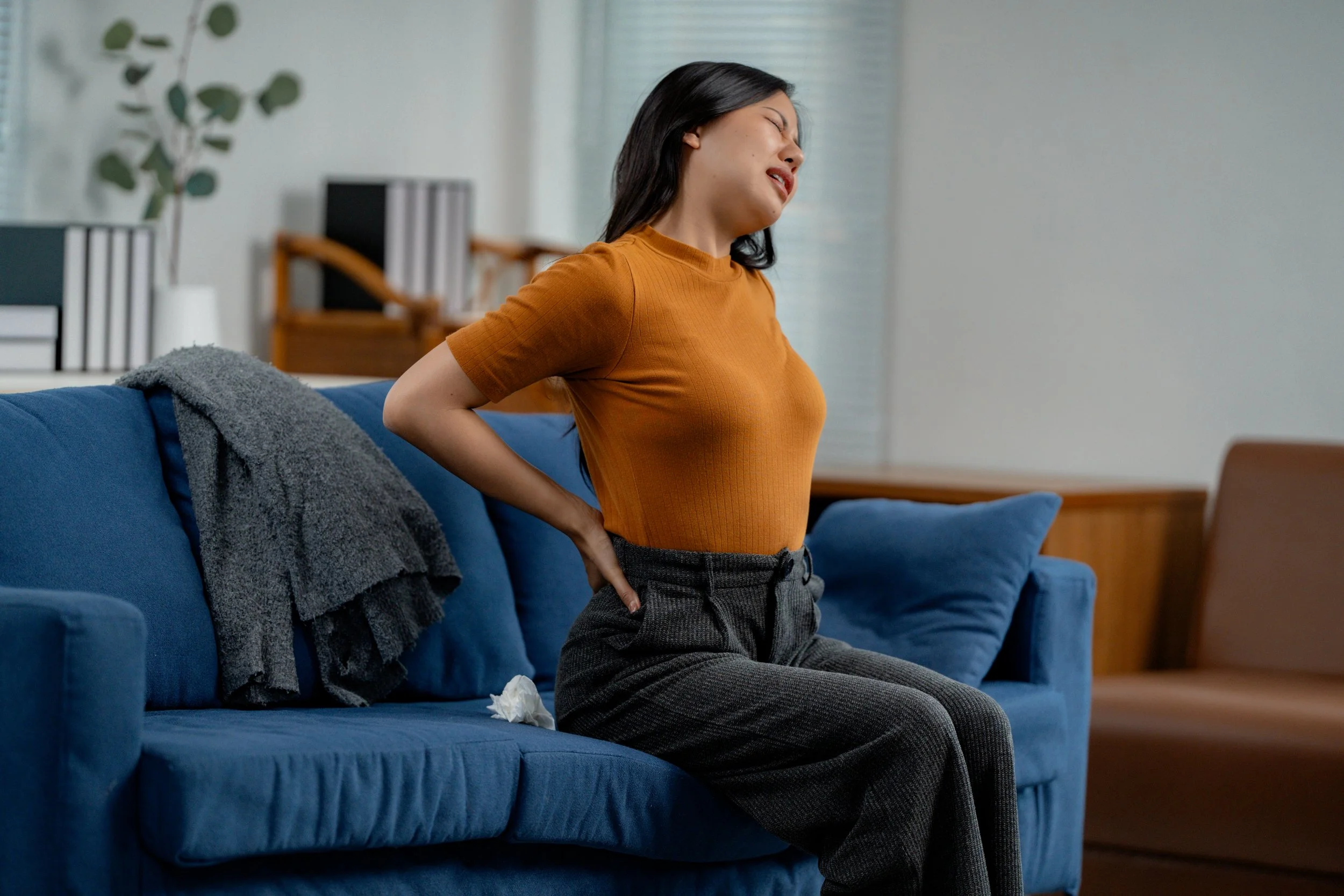
Back pain is a pervasive issue, touching the lives of nearly 80% of adults at some point. While often attributed to daily strains or age-related changes, it can sometimes signal something more complex, like scoliosis. For many, particularly adults, scoliosis contributes significantly to chronic discomfort, often presenting subtly. Recognizing these early signs can lead to effective non-surgical back pain treatment and improve quality of life.
At MyBackHub, we understand the frustration and limitations that chronic back pain brings. Our team is dedicated to providing comprehensive, empathetic guidance to help you navigate your journey toward relief. This article will shed light on the early indicators of scoliosis, how it might contribute to lower back pain, and what steps you can take. We believe that informed action is the first step toward lasting comfort and improved function.
Understanding Back Pain and Scoliosis: What You Need to Know
Chronic back pain, especially in the lumbar region, can stem from various sources. From lower back strain to degenerative conditions like arthritis. One such structural condition is scoliosis, an S- or C-shaped curvature of the spine. While often associated with adolescence, adult scoliosis, or adult degenerative scoliosis, is increasingly recognized as a significant contributor to chronic back pain. It can develop gradually due to spinal degeneration or be a progression of childhood scoliosis. Understanding where your pain comes from is the first step in finding true back pain relief.
What are the common causes of adult back pain?
Common causes of adult back pain include muscle strains, ligament sprains, herniated discs, degenerative disc disease, spinal stenosis, osteoarthritis, and spinal deformities like scoliosis. Lifestyle factors, poor posture, and occupational hazards also play a role.
When should you see a doctor for back pain?
You should see a doctor for back pain if it is severe, persistent, worsens, radiates down your leg (possible sciatica), or is accompanied by numbness, weakness, fever, or unexplained weight loss. Early assessment is key to preventing progression and finding effective non-surgical back pain treatment.
How does scoliosis contribute to lower back pain?
Scoliosis contributes to lower back pain by causing uneven weight distribution and stress on the spine, muscles, ligaments, and joints. This imbalance can lead to muscle fatigue, nerve compression, degenerative changes, and chronic postural strain, all manifesting as discomfort and pain in the lower back.
Early Signs of Scoliosis You Shouldn't Ignore

Recognizing the subtle cues your body sends can be instrumental in addressing scoliosis early, potentially preventing more significant pain and functional limitations. While an X-ray is the definitive diagnostic tool, several visual and symptomatic clues can indicate a spinal curve.
What visible signs indicate potential scoliosis?
Visible signs of potential scoliosis include uneven shoulders, one hip appearing higher than the other, one shoulder blade being more prominent, a leaning posture, or an uneven waistline. These asymmetries often become more apparent when bending forward.
How can poor posture be a sign of scoliosis?
Poor posture can be a sign of scoliosis if it's accompanied by a consistent lean to one side or a persistent imbalance despite conscious efforts to stand straight. The body may naturally compensate or shift to maintain balance around the spinal curve.
Can back pain in adults be an early symptom of scoliosis?
Yes, back pain, especially localized lower back pain, can be an early symptom of scoliosis in adults, particularly adult degenerative scoliosis. Uneven stress on spinal structures due to the curve can lead to chronic muscle fatigue, joint inflammation, and nerve irritation.
Are changes in walking gait or balance related to scoliosis?
Changes in walking gait or balance can be related to scoliosis, especially if the spinal curvature is significant or affects the lower spine. The body may adjust its gait to compensate for imbalances, leading to a noticeable limp or difficulty maintaining equilibrium.
Effective Non-Surgical Strategies for Managing Scoliosis-Related Back Pain
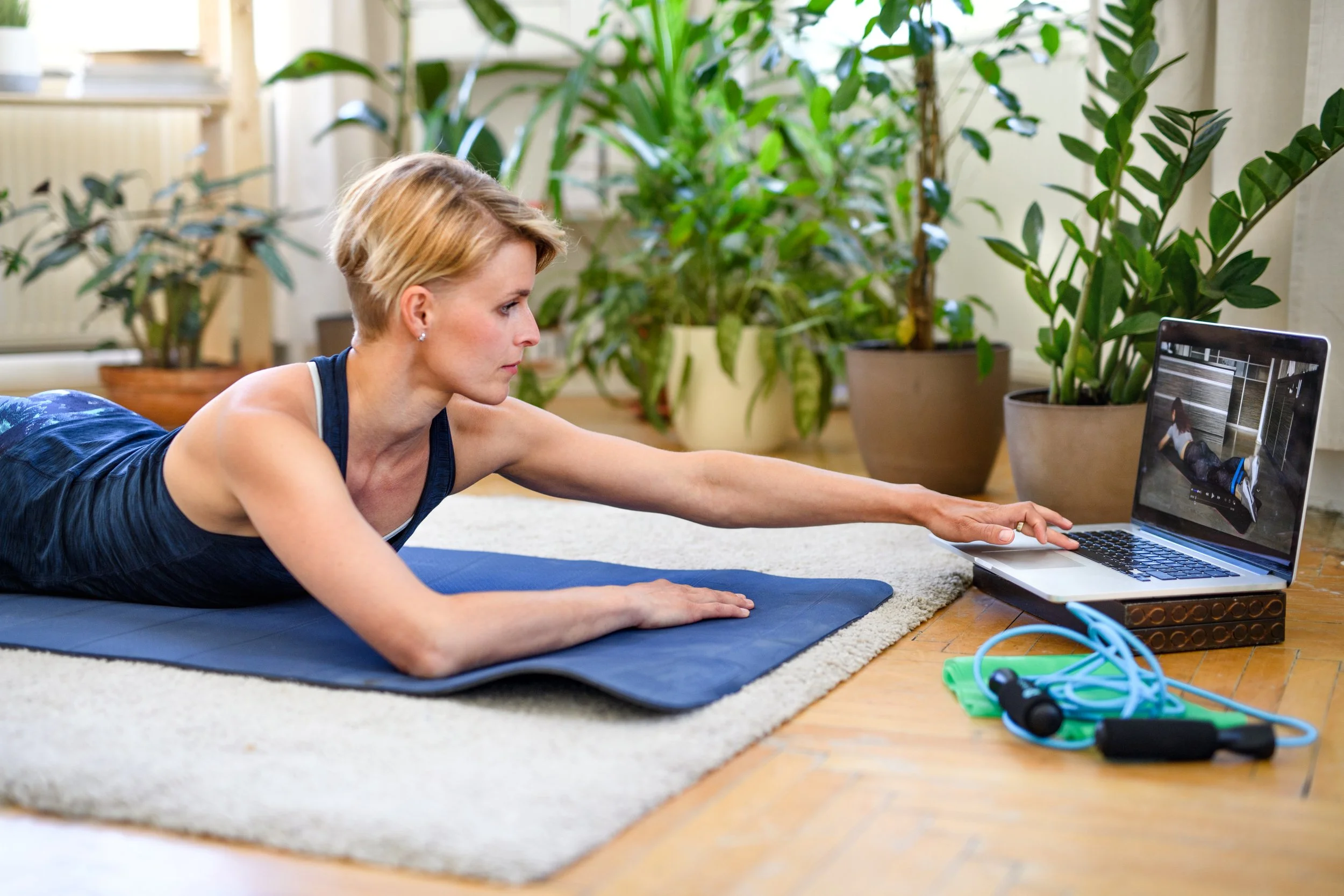
For those experiencing scoliosis-related back pain, a proactive, non-surgical approach is often the first line of defense. Our MyBackHub Team emphasizes finding what works for your body to achieve sustainable back pain relief.
What are the best exercises for scoliosis pain relief?
The best exercises for scoliosis pain relief often include targeted stretches and strengthening. Schroth exercises focus on de-rotating, elongating, and stabilizing the spine. Core strengthening exercises, such as gentle planks and bird-dog, help support the spine.
How can physical therapy or chiropractic care help with scoliosis?
Physical therapists familiar with curved spine therapy and methods like Schroth can help with improving posture, strengthening core muscles, and increasing spinal mobility. Chiropractic care from someone not trained in scoliosis care is generally not recommended.
What are some home remedies for lower back pain relief related to scoliosis?
Home remedies for lower back pain relief related to scoliosis include applying heat or cold packs, gentle stretching (like piriformis stretch), maintaining good posture, and supportive sleep positions (e.g., sleeping on your side with a pillow between your knees for lower back pain relief at home).
What are the best everyday strategies for scoliosis pain management?
Everyday strategies include an active lifestyle, mindful posture, ergonomic support, hydration, stress management, and choosing the best pillows for back pain to support neutral spinal alignment during sleep.
What sleeping positions are best for lower back pain with scoliosis?
Sleeping positions that help lower back pain with scoliosis include sleeping on your side with a pillow between your knees, or on your back with a pillow under your knees. These positions help maintain the natural curve of the lower back and reduce spinal compression.
Frequently Asked Questions About Scoliosis and Back Pain
We often hear similar questions from our members seeking back pain relief. Here are some of the most common ones.

Can adult scoliosis get worse over time?
Yes, adult scoliosis can worsen over time, especially if it's degenerative. Factors like osteoporosis, ongoing spinal degeneration, and lack of supportive musculature can contribute to curve progression and increased back pain.
Is it possible to correct scoliosis without surgery?
While severe curves often require surgical intervention, lesser curves and associated pain can often be managed effectively through non-surgical back pain treatment. Approaches like physical therapy, bracing (for adolescents), and specialized exercises like the ones taught in The Scoliosis Solution aim to improve alignment, reduce pain, and prevent progression.
What exercises help with piriformis syndrome commonly mistaken for sciatica?
Exercises that help with piriformis syndrome include the piriformis stretch (lying on your back, crossing one ankle over the opposite knee, gently pulling the thigh towards you), glute stretches, and improving hip mobility.
How do I know if my back pain is due to a herniated disc?
Back pain due to a herniated disc often presents as sharp, localized pain radiating down an arm or leg, accompanied by numbness, tingling, or weakness. It may worsen with bending, lifting, or prolonged sitting. Only a healthcare provider can definitively diagnose a herniated disc.
What are Schroth exercises, and are they beneficial for adults?
Schroth exercises are a physical therapy method using specific exercises tailored to an individual's spinal curve. They focus on derotating, elongating, and stabilizing the spine through muscle activation and breathing. They are very beneficial for adults with scoliosis, helping improve posture, reduce pain, and often prevent curve progression.
Can lifestyle changes truly impact scoliosis-related back pain?
Absolutely. Lifestyle changes, including maintaining a healthy weight, regular exercise (especially core strengthening and stretching), ergonomic adjustments, proper hydration, and stress management, can significantly impact and alleviate scoliosis-related back pain by reducing strain on the spine and supporting overall health.
Conclusion
Recognizing the early signs of scoliosis and understanding its potential contribution to back pain is a powerful step towards regaining comfort and function. Our MyBackHub team is here to remind you that chronic back pain does not have to be a permanent state. With the right knowledge, personalized strategies, and consistent effort, effective back pain relief is achievable, often through non-surgical approaches. By being proactive and listening to your body, you can improve your quality of life and manage your spinal health effectively.
Ready To Learn More?
This article reflects general guidance from The MyBackHub Team and is not a substitute for medical advice. Always consult a qualified healthcare provider before starting any new exercise or treatment.
References: