

I Think I Need to See A Spine Surgeon – What to Expect at Your First Spine Consultation

Deciding to see a spine surgeon can feel overwhelming. Whether you’ve been struggling with persistent back pain, scoliosis, or other spinal issues, the thought of meeting a surgeon often raises questions and even anxiety: What will they do? Will I need surgery? How do I prepare?
At MyBackHub, we believe knowledge is power. Understanding what happens at your first spine consultation can help you feel confident, calm, and ready to take the next step in your care journey.
Here’s what you can expect when you meet a spine surgeon for the first time—and how to get the most out of that visit.
1. Your Medical History and Symptoms
The appointment will likely start with a thorough discussion of your medical history. Be ready to share:
How and when your symptoms began
The type and location of your pain or discomfort
What makes symptoms better or worse
Past treatments you’ve tried (physical therapy, medications, injections)
Any previous spine imaging (MRIs, X-rays, CT scans)
Honesty and detail here are crucial—your surgeon needs the full picture to guide diagnosis and treatment.
2. Physical Examination
Next, the surgeon will perform a physical exam. This typically involves:
Assessing your posture and spinal alignment
Checking range of motion in your neck, back, and limbs
Testing muscle strength and reflexes
Evaluating sensory function to detect any nerve involvement
Sometimes special maneuvers to provoke symptoms
This exam helps the surgeon identify areas of concern and potential nerve compression or instability.

3. Review of Imaging Studies
If you’ve had recent imaging like MRI or X-rays, the surgeon will review these with you. They’ll point out:
The location and degree of any spinal curvature, disc problems, or degeneration
Areas of nerve impingement or inflammation
Structural abnormalities that might explain your symptoms
If you don’t have imaging yet, the surgeon may order tests to get a clearer view of your spine.
4. Discussion of Treatment Options
Importantly, a spine surgeon’s role is not just to recommend surgery. They will:
Explain whether surgery is necessary or if nonoperative options should be tried first
Discuss the risks and benefits of all treatments—physical therapy, injections, bracing, medications, and surgery
Tailor advice based on your unique condition, lifestyle, and goals
Good surgeons are partners in your care, focused on finding the best solution—not just offering surgery as the first step

5. Answering Your Questions
Your consultation is your time to ask questions. Consider asking:
What is causing my pain or symptoms?
Are there non-surgical treatments I should try first?
What are the risks and expected outcomes of surgery if it’s needed?
How will surgery affect my daily life and recovery?
What can I do to improve my spine health now?
Taking notes or bringing a friend can help you remember important information.
6. Next Steps
At the end of your visit, your surgeon may:
Recommend further imaging or diagnostic tests
Refer you to physical therapy or a nonoperative specialist
Schedule follow-up visits to monitor your progress
If appropriate, discuss timing and planning for surgery
Remember, deciding on surgery is a process—not a rushed decision.

Final Thoughts
Seeing a spine surgeon for the first time is a big step, but it doesn’t mean surgery is inevitable. A skilled surgeon will carefully evaluate your condition, educate you about your options, and support you in making informed choices.
At MyBackHub, we encourage patients to explore nonoperative options first whenever possible such as the MyBackHub Membership—because many spine conditions improve with the right therapy and self-care.
If you’re preparing for a consultation, remember: you are your own best advocate. Being informed, prepared, and asking questions can help you feel empowered to take control of your spine health.
Would you like a checklist for preparing your spine surgeon visit? Email our team—we’re here to help!
What are your thoughts about this article? Share them with the MyBackHub Community on our member community page here.
About the Author:
Rob Turk, MD, MBA
Chief Medical Advisor, MyBackHub
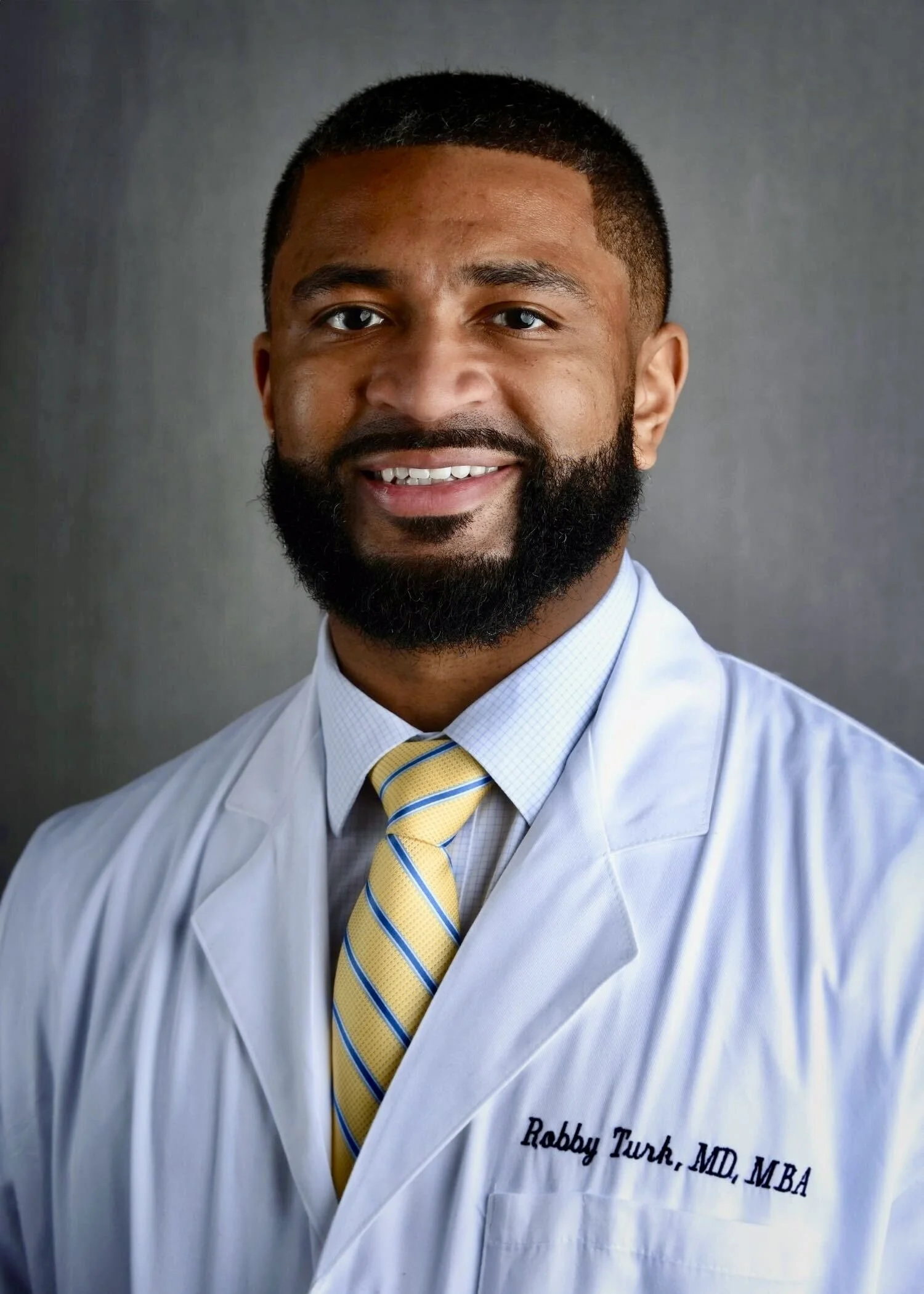
Rob Turk is the Chief Medical Advisor for MyBackHub, Inc. Dr. Turk has a broad foundation of talent in both medicine and business, previously obtaining his MD at the University of California, San Diego School of Medicine and his MBA at the University of Virginia Darden School of Business. As an entrepreneur and orthopaedic spine surgeon, he has unique and valuable insight on many topics. He is a published author in leading scientific journals such as JBJS and Arthroscopy, has written multiple book chapters, and has been a reviewer for a number of scientific journals. He is passionate about motion preservation and innovation in spine care, health equity, delicious food, and sports.
Disclaimer:
As a service to our readers, MyBackHub provides access to our library of archived content. Please note the date of last review or update on all articles.
No content on this site, regardless of date, should ever be used as a substitute for direct medical advice from your doctor or other qualified clinician.
