

Sitting All Day and Back Pain: What Actually Matters

If you sit most of the day and your back hurts, it’s easy to assume you’re “doing something wrong.” Maybe your posture isn’t perfect. Maybe your chair isn’t ergonomic enough. Maybe you just need to sit up straighter.
The reality is a little different—and a lot more helpful.
Back pain from sitting usually isn’t caused by one single mistake. It’s the result of a few key factors that actually matter much more than most people realize.
1. It’s Not Just How You Sit—It’s How Long
You can sit with perfect posture and still end up with back pain.
Why? Because your body isn’t designed to stay in one position for hours at a time. When you sit too long:
Muscles fatigue
Blood flow decreases
Joints stiffen
Discs experience prolonged pressure
That “tight” or “aching” feeling isn’t necessarily damage—it’s your body asking for movement.
What actually helps:
Stand up every 30–45 minutes (even for 1–2 minutes)
Walk around during phone calls
Stack movement into your day instead of saving it for the gym

2. “Perfect Posture” Is Overrated
You’ve probably heard: sit up straight, shoulders back, core tight.
That’s fine—for about 5 minutes.
The problem is that holding any rigid posture all day creates tension. The best posture is actually a varied posture.
What actually helps:
Shift positions often (lean back, sit forward, cross legs, uncross)
Use your chair dynamically instead of locking into one position
Think “comfortable and changing,” not “perfect and stiff”

3. Your Hips Are a Bigger Player Than You Think
Sitting puts your hips in a flexed position all day. Over time, this can lead to:
Tight hip flexors
Reduced glute activation
Increased strain on your lower back
That’s one reason your back may feel worse when you stand up after sitting.
What actually helps:
Brief standing breaks
Hip extension movements (like lunges or simply standing tall and squeezing your glutes)
Short walking intervals throughout the day
4. Your Core Isn’t “Weak”—It’s Underused
A lot of people jump straight to core strengthening as the solution.
But in many cases, the issue isn’t strength—it’s that your core isn’t being engaged throughout the day.
When you sit passively for long periods, your spine relies more on passive structures (like ligaments and discs) instead of muscular support.
What actually helps:
Occasionally sit without back support for short periods
Lightly engage your core when repositioning (not constantly bracing)
Incorporate simple daily movements like getting up without using your hands
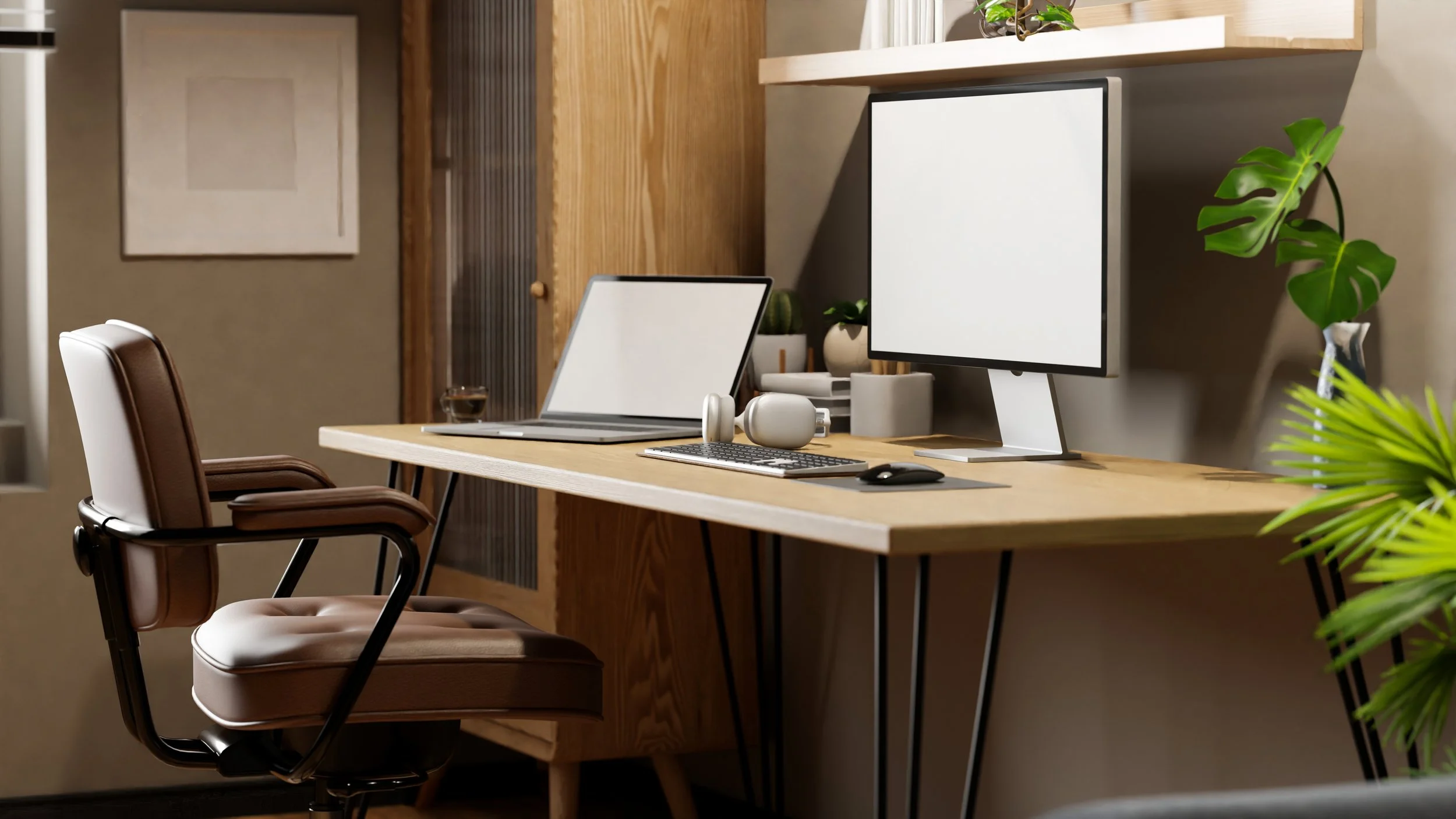
5. Your Setup Matters—But Less Than You Think
Yes, your desk, chair, and screen height play a role. But they’re often overemphasized.
You don’t need a perfect ergonomic setup to avoid back pain.
What actually helps:
Screen roughly at eye level
Feet flat on the ground
Keyboard within easy reach
After that, the biggest gains come from movement—not equipment upgrades.
What a “Good” Sitting Day Actually Looks Like
Instead of chasing perfect posture, aim for this:
You change positions frequently
You stand up regularly
You walk intermittently throughout the day
You don’t stay rigid or tense for long periods
That’s it.
The Bottom Line
Sitting itself isn’t the enemy. Staying still for too long is.
If you focus less on sitting perfectly and more on moving consistently, you’ll address the real drivers of back pain—and likely feel better faster.
About the Author:
Rob Turk, MD, MBA
Chief Medical Advisor, MyBackHub

Rob Turk is the Chief Medical Advisor for MyBackHub, Inc. Dr. Turk has a broad foundation of talent in both medicine and business, previously obtaining his MD at the University of California, San Diego School of Medicine and his MBA at the University of Virginia Darden School of Business. As an entrepreneur and orthopaedic spine surgeon, he has unique and valuable insight on many topics. He is a published author in leading scientific journals such as JBJS and Arthroscopy, has written multiple book chapters, and has been a reviewer for a number of scientific journals. He is passionate about motion preservation and innovation in spine care, health equity, delicious food, and sports.
Disclaimer:
As a service to our readers, MyBackHub provides access to our library of archived content. Please note the date of last review or update on all articles.
No content on this site, regardless of date, should ever be used as a substitute for direct medical advice from your doctor or other qualified clinician.
