Scoliosis Diagnosis? Here’s What To Expect Next
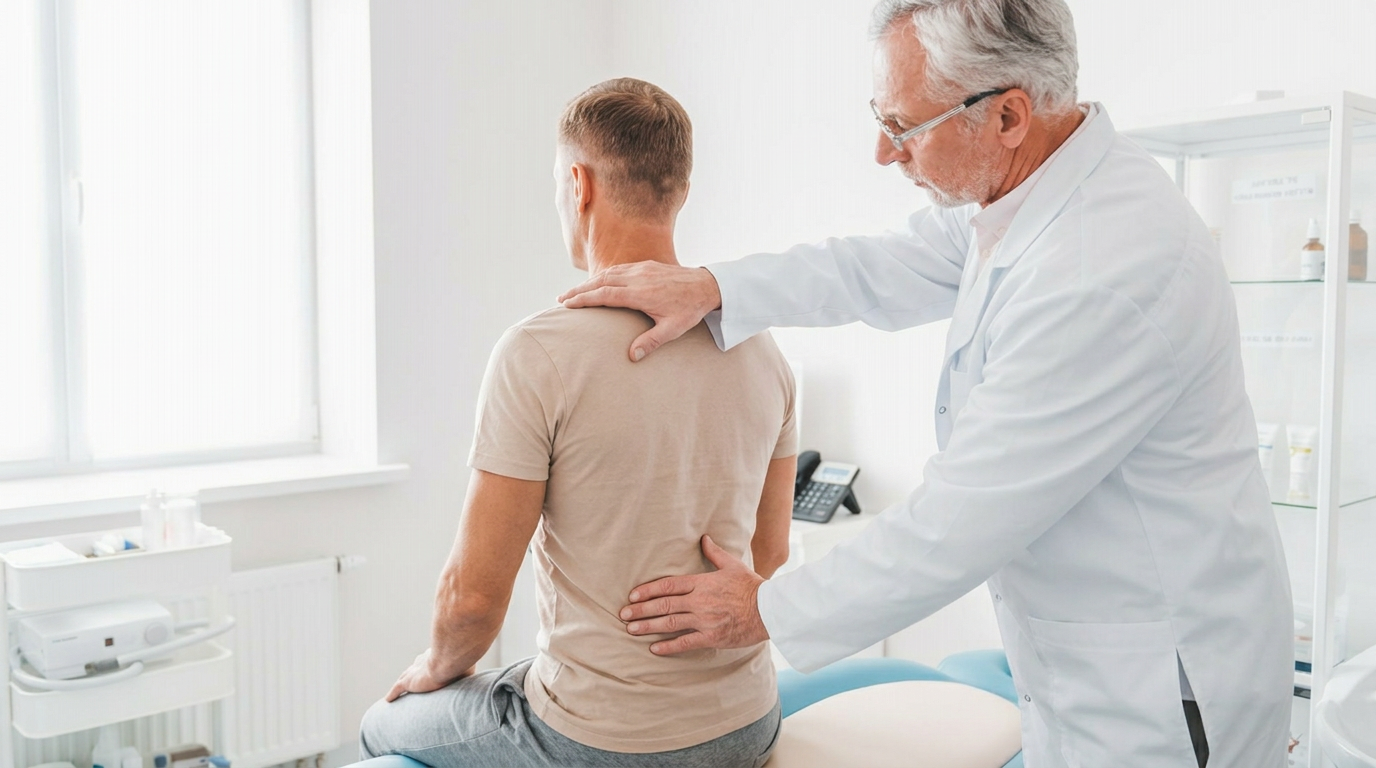
Scoliosis is a spinal curvature that can impact individuals of all ages. Understanding how scoliosis is treated is a crucial first step toward finding targeted relief and improving your quality of life. At MyBackHub, we believe in empowering our members with knowledge. Today, we’ll touch on various strategies, from Schroth exercises to lifestyle adjustments, to help you manage discomfort.
Pathways to Relief: Managing Scoliosis-Related Back Pain
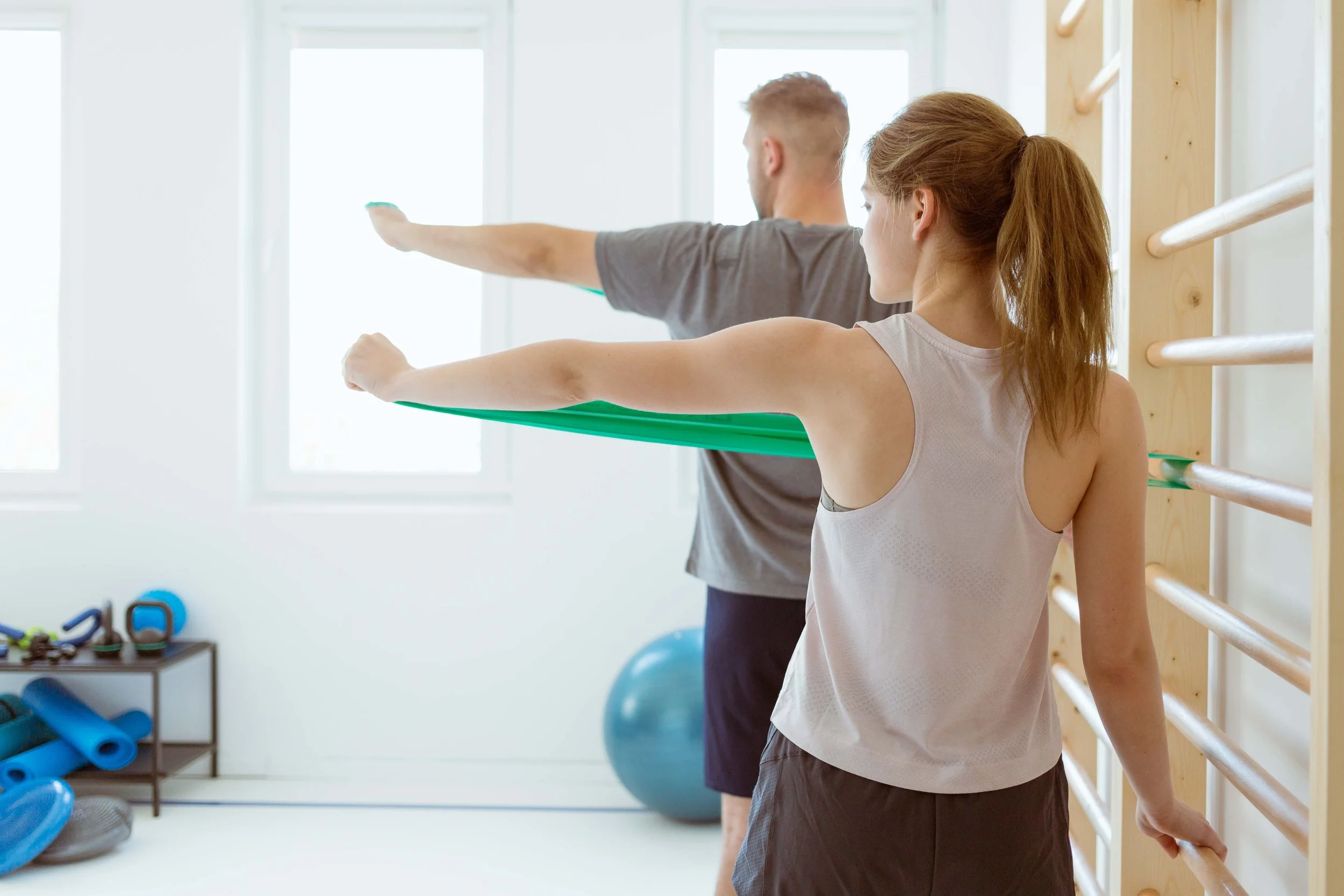
Once scoliosis is diagnosed, the goal is managing symptoms and preventing progression through realignment. For many, this involves conservative, non-surgical approaches aimed at achieving back pain relief. Our team supports members in exploring a variety of strategies personalized to their needs.
What are effective non-surgical back pain treatments for scoliosis?
Effective non-surgical treatments include specialized exercises like Schroth exercises, which focus on corrective breathing and posture; as well as Scoliosis Realignment Therapy to strengthen core muscles and improve flexibility. Heat/cold therapy can also provide temporary relief.
How do Schroth exercises help with scoliosis pain relief?
Schroth exercises are a specialized form of physical therapy designed specifically for scoliosis. They involve specific stretches, strengthening exercises, and breathing techniques tailored to the individual's curve pattern. The goal is to de-rotate, elongate, and stabilize the spine, improving posture and reducing pain.
What role does physical therapy play in managing lower back pain from scoliosis?
Physical therapy is crucial for scoliosis-related lower back pain relief. Programs like The Scoliosis Solution are designed to strengthen core muscles, improve spinal mobility, correct postural imbalances, and teach body mechanics. This helps stabilize the spine, reduce muscular strain, and alleviate discomfort.
Can chiropractic care help with scoliosis and back pain?
Because most chiropractors are not trained in scoliosis care, chiropractic care is typically not recommended managing scoliosis-related back pain relief. Chiropractors use spinal adjustments and other manual techniques to improve spinal mobility and reduce muscle tension, however this does not typically address the core alignment issues behind scoliosis and in some cases may be harmful.
What are good sleeping positions for lower back pain with scoliosis?
Finding sleeping positions for lower back pain is key. Lying on your back with a pillow under your knees can help maintain the natural curve of the spine. Side sleeping with a pillow between your knees can also align the hips and spine. Avoid sleeping on your stomach.
How to choose the best pillows for back pain relief?
The best pillows for back pain support the natural curve of your neck and spine. For back sleepers, a medium-firm pillow filling the space between your neck and mattress is ideal. Side sleepers benefit from a thicker, firmer pillow aligning the head and neck. For sleepers with scoliosis, specific ergonomic pillows may be recommended.
Frequently Asked Questions About Scoliosis and Back Pain
Can scoliosis be corrected without surgery?
For many adults, scoliosis can be effectively managed and symptoms improved without surgery through specialized exercises and lifestyle adjustments taught in The Scoliosis Solution. Surgery is typically reserved for severe or rapidly progressing curves.
Are there specific exercises for scoliosis pain relief at home?
Yes, once taught by a physical therapy professional, many curved spine exercises and core-strengthening routines can be performed for scoliosis pain relief at home. Consistency is key, focusing on improving posture and building balanced muscle strength.
How do daily habits impact lower back pain relief?
Daily habits significantly impact lower back pain relief. Maintaining good posture, using proper lifting techniques, taking regular breaks from sitting, staying hydrated, and engaging in light physical activity are all crucial for preventing and alleviating back discomfort.
Does carrying a heavy bag affect scoliosis or back pain?
Yes, carrying heavy bags or backpacks, especially on one shoulder, can exacerbate both scoliosis and general lower back pain. It can create muscle imbalances, increase spinal strain, and promote poor posture, worsening existing curves or contributing to new pain.
What are some general tips for non-surgical back pain treatment?
General tips include regular, gentle exercise (like walking or swimming), maintaining a healthy weight, practicing proper posture, using ergonomic support at work, applying heat or cold packs, and engaging in stress-reduction techniques.
Can stress make scoliosis pain worse?
Yes, stress can worsen scoliosis pain. When under stress, muscles often tense up, which can further strain an already compromised spine due to scoliosis. Mind-body practices like meditation or deep breathing can help reduce stress and associated pain.
Conclusion
Understanding how scoliosis is diagnosed is a powerful step towards taking control of your health and finding lasting back pain relief. While diagnosis can be significant, it often opens the door to effective, non-surgical strategies aimed at improving your comfort and mobility. Through specialized exercises like Schroth methods, targeted physical therapy, mindful lifestyle adjustments, and appropriate home care, many individuals with scoliosis can lead full, active lives with significantly reduced pain. Our team is dedicated to providing you with the knowledge and tools you need to navigate your back health journey successfully.
Ready to explore personalized solutions for your scoliosis pain? Learn more here.
Disclaimer:
This article reflects general guidance from The MyBackHub Team and is not a substitute for medical advice. Always consult a qualified healthcare provider before starting any new exercise or treatment.
References: