

Can Exercise Really Help Scoliosis?

If you’ve been diagnosed with scoliosis, chances are you’ve heard a lot of conflicting advice about exercise.
Some people tell you to avoid physical activity altogether. Others swear that exercise alone can “cure” scoliosis. As a spine surgeon who now specializes in nonoperative scoliosis care, I want to clear up the confusion and share an honest, evidence-informed perspective on this question:
Can exercise really help scoliosis?
The answer is: Yes—but not in the way many people think.
Let’s unpack what exercise can (and can’t) do for scoliosis—and why, when done right, it’s one of the most powerful tools you have.
First, a Quick Reality Check
Let’s start with what exercise won’t do:
Exercise will not “straighten” a moderate or severe structural curve.
It won’t reverse skeletal deformities or replace a brace in a growing child.
It’s not a substitute for surgery in patients with severe, progressive curves and neurological symptoms.
That said, most people with scoliosis don’t need surgery—and this is where exercise becomes not just helpful, but essential.
What Exercise Actually Can Do
When prescribed and performed correctly, scoliosis-specific exercise programs can:
Reduce pain and stiffness
Many adults with scoliosis experience muscle fatigue, joint compression, or nerve irritation. Tailored exercise programs help improve muscular balance and reduce strain on overloaded tissues.
Improve posture and spinal alignment
Scoliosis often leads to compensations—like shoulder imbalance, rib prominence, or pelvic tilt. Corrective movement training and postural exercises help reduce these asymmetries over time, improving the way the body carries itself.
Strengthen core and stabilizing muscles
The spine doesn’t work in isolation. A strong, well-trained core can stabilize the spine, protect joints, and distribute forces more evenly. This is crucial for preventing pain and slowing curve-related wear and tear.
Enhance breathing and mobility
Especially for those with thoracic curves, scoliosis can limit rib cage expansion. Certain breathing techniques and mobility work can improve lung function and reduce tension around the thoracic spine.
Prevent progression in mild cases
In children and adolescents with mild idiopathic scoliosis, scoliosis-specific exercises (like the Schroth Method) may help prevent curve progression and improve trunk symmetry when combined with bracing and monitoring.
What Kind of Exercises Are Best?
Not all exercises are scoliosis-friendly. In fact, some movements (like heavy spinal loading, deep backbends, or excessive twisting) can worsen pain or reinforce imbalances if done incorrectly.
That’s why scoliosis care should never be one-size-fits-all. The most effective programs are:
Personalized: Based on your curve pattern, symptoms, and lifestyle
Progressive: Designed to evolve as you get stronger and more aware
Balanced: Focused on strength, mobility, posture, and breath—not just one dimension
Sustainable: Something you can keep doing long-term, not just in a clinic
Common components of successful programs include:
Scoliosis-specific postural training (like Schroth-based methods)
Core stabilization (planks, bridges, bird dogs)
Mobility and flexibility training
Breath work for thoracic expansion
Pain education and nervous system regulation
At MyBackHub, we integrate all of these elements into tailored virtual plans that meet you where you are—whether you’re just diagnosed or managing a curve that’s been with you for decades.
Final Thoughts
So—can exercise really help scoliosis?
Yes, absolutely—when it’s done right.
Not as a miracle fix, but as a powerful tool to reduce pain, improve posture, support function, and give you control over your condition.
We’ve seen patients reclaim their lives not through surgery, but through movement. Through consistency. Through understanding how their spine works, and how they can support it every day.
Scoliosis doesn’t need to stop you from living well.
About the Author:
Rob Turk, MD, MBA
Chief Medical Advisor, MyBackHub
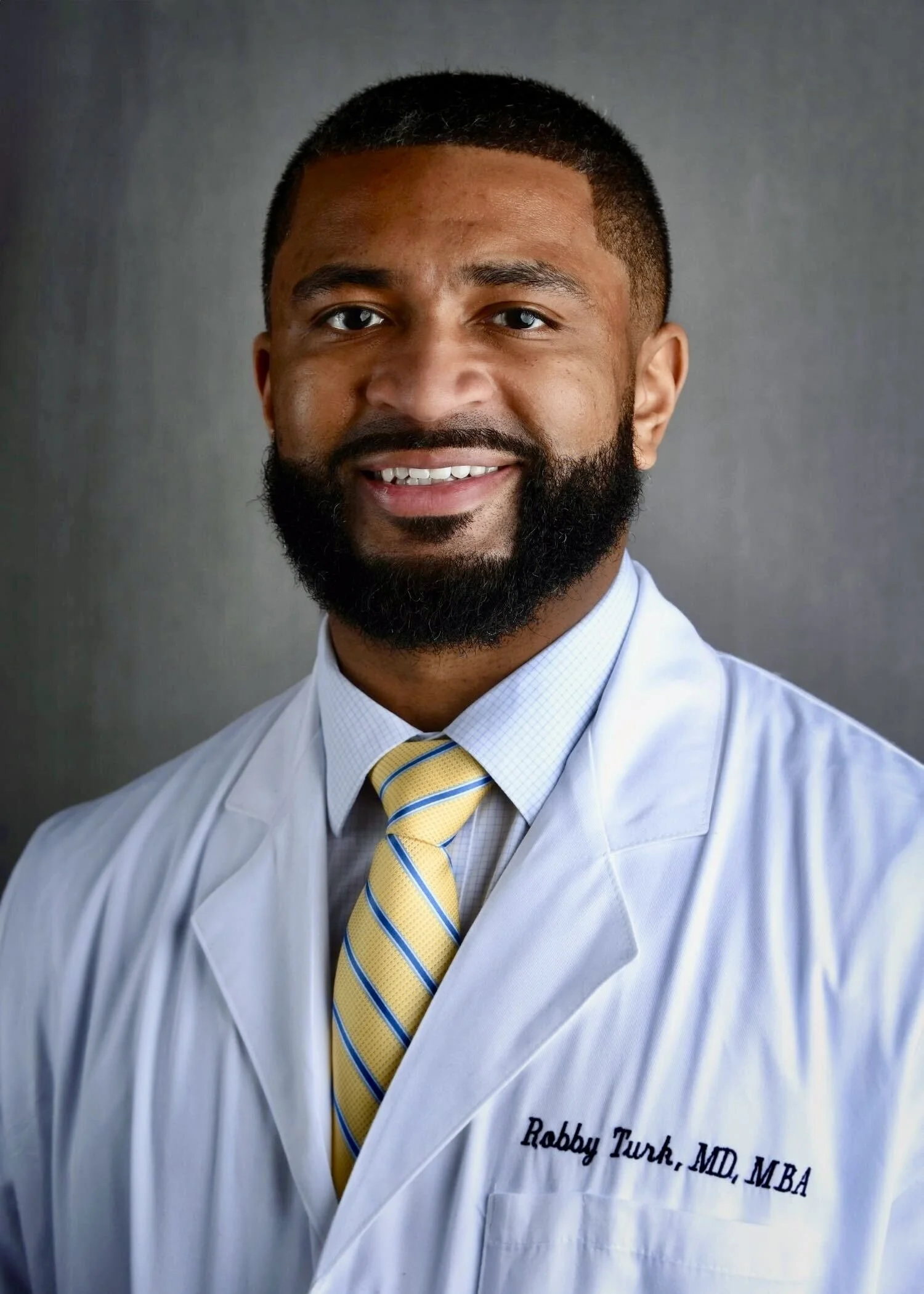
Rob Turk is the Chief Medical Advisor for MyBackHub, Inc. Dr. Turk has a broad foundation of talent in both medicine and business, previously obtaining his MD at the University of California, San Diego School of Medicine and his MBA at the University of Virginia Darden School of Business. As an entrepreneur and orthopaedic spine surgeon, he has unique and valuable insight on many topics. He is a published author in leading scientific journals such as JBJS and Arthroscopy, has written multiple book chapters, and has been a reviewer for a number of scientific journals. He is passionate about motion preservation and innovation in spine care, health equity, delicious food, and sports.
Disclaimer:
As a service to our readers, MyBackHub provides access to our library of archived content. Please note the date of last review or update on all articles.
No content on this site, regardless of date, should ever be used as a substitute for direct medical advice from your doctor or other qualified clinician.
