

A Surgeon’s Thoughts on Scoliosis
When you hear “scoliosis,” your mind might jump straight to braces or back surgery. But as a spine surgeon who’s spent years treating patients with scoliosis—both in and out of the operating room—let me offer a broader view.
Scoliosis is complex. It’s not just a curve in the spine—it’s a condition that affects posture, muscle balance, breathing, confidence, and daily life in ways that go beyond X-rays. And perhaps most importantly, most people with scoliosis don’t need surgery.
Here’s how I think about scoliosis, and what I wish more patients knew from the start.
Scoliosis Is More Common Than You Think
Roughly 2–3% of the population has scoliosis, but many cases are mild and go undiagnosed. Some people find out in childhood, often during school screenings. Others don’t learn they have it until adulthood, usually when they start experiencing back pain or postural issues.
The most common types we see are:
Adolescent idiopathic scoliosis (AIS): Begins during growth spurts in teenage years.
Degenerative (adult-onset) scoliosis: Caused by age-related changes in the spine.
Congenital or neuromuscular scoliosis: Less common, associated with underlying conditions.
Each type behaves differently, which is why treatment must be highly individualized.
Pain and Curve Size Don’t Always Match
One of the biggest misconceptions I see is this: “If my curve is small, I shouldn’t be in pain.” That’s simply not true.
Some people with large curves feel fine. Others with minor scoliosis have chronic discomfort. Why?
Because pain isn’t just about the curve. It’s about:
How your muscles and joints are compensating
How efficiently your body moves and loads the spine
How your nervous system is interpreting discomfort
And yes, how stress, posture, and daily habits play a role
That’s why the treatment of scoliosis—especially in adults—often focuses less on “fixing the curve” and more on improving function, strength, and quality of life.
When Is Surgery Necessary?
As a surgeon, I don’t jump to the operating table. Surgery for scoliosis is a last resort, not a first-line option.
Here’s when it might be considered:
Curves that exceed 45–50 degrees and are rapidly progressing
Severe pain or deformity unresponsive to nonoperative care
Neurological symptoms like numbness, weakness, or spinal cord compression
Functional limitations that significantly affect daily life
Even in those cases, the decision must be made carefully, with a full understanding of the risks, recovery time, and realistic outcomes.
What I Recommend First
For the vast majority of people with scoliosis, nonoperative care is not only appropriate—it’s highly effective. This includes:
Scoliosis-specific exercises to target imbalances and support spinal alignment
Postural training to reduce stress on the spine throughout the day
Breathing and mobility work to open up the chest and thoracic spine
Lifestyle coaching to stay active and manage flare-ups without fear
Cervical or lumbar traction, when appropriate, to reduce pressure and discomfort
These strategies don’t straighten the curve—but they often do something more important: reduce pain, restore confidence, and help you live fully.
What I Wish More Patients Knew
You are not alone—scoliosis is common, manageable, and not your fault.
Mild and moderate curves can still cause real symptoms—and you deserve to be heard.
Surgery is not the gold standard. Conservative care is often safer, cheaper, and better for long-term quality of life. In most cases, it is only when conservative care has failed that surgery may become the best option.
The goal isn’t a perfect spine—it’s a functional, strong, and pain-managed one.
Final Thoughts
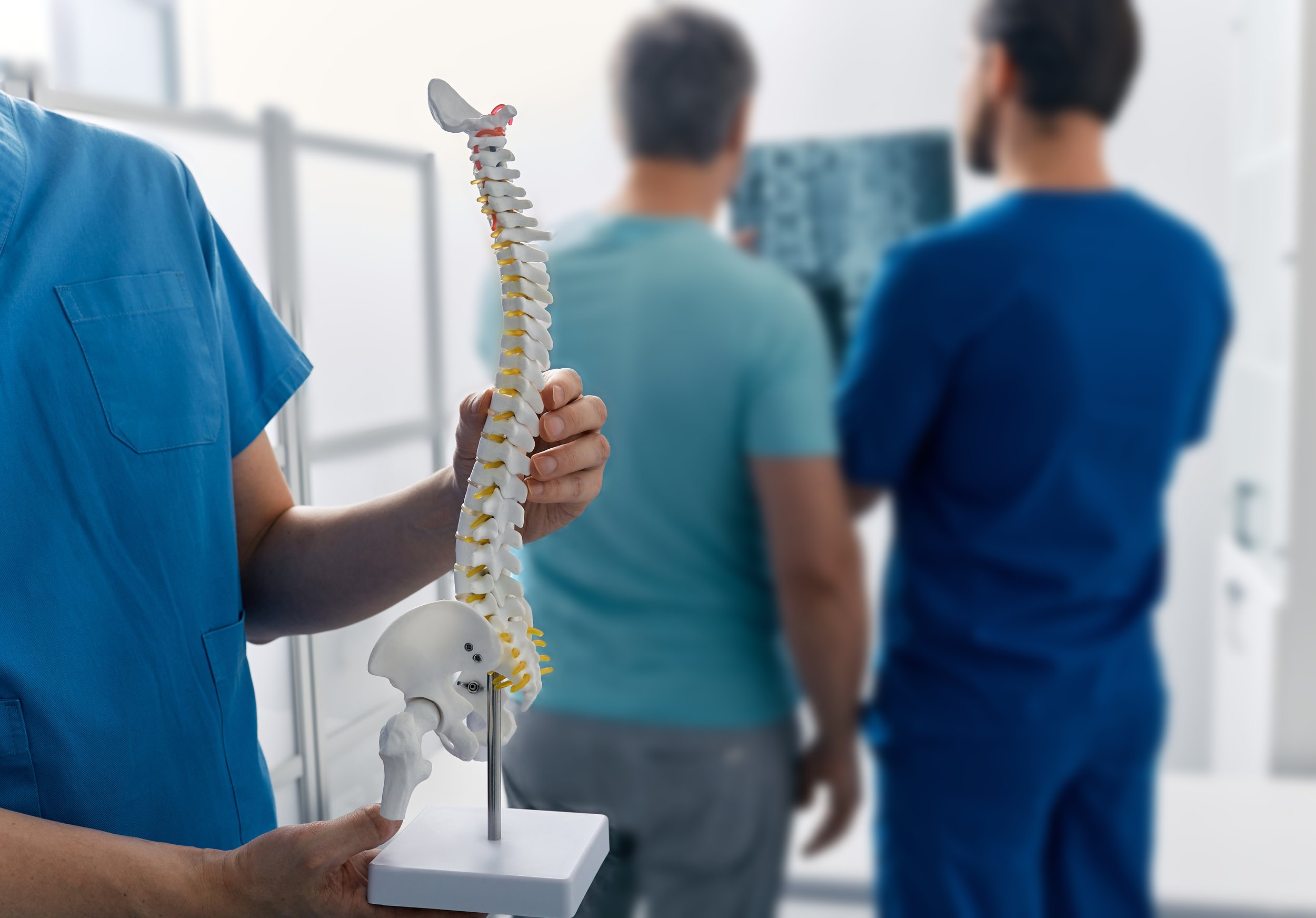
As a spine surgeon, my job is not just to operate—it’s to guide. And in scoliosis care, that often means guiding patients away from surgery and toward effective, nonoperative solutions that empower them.
At MyBackHub, that’s exactly what we offer: expert-led, personalized scoliosis care you can do from home. Whether you’re newly diagnosed, managing long-term pain, or just trying to understand your options, we’re here to help.
Scoliosis may be a lifelong condition—but with the right support, it doesn’t have to be a lifelong problem.
What are your thoughts about this article? Share them with the MyBackHub community on our member community page here.
About the Author:
Rob Turk, MD, MBA
Chief Medical Advisor, MyBackHub
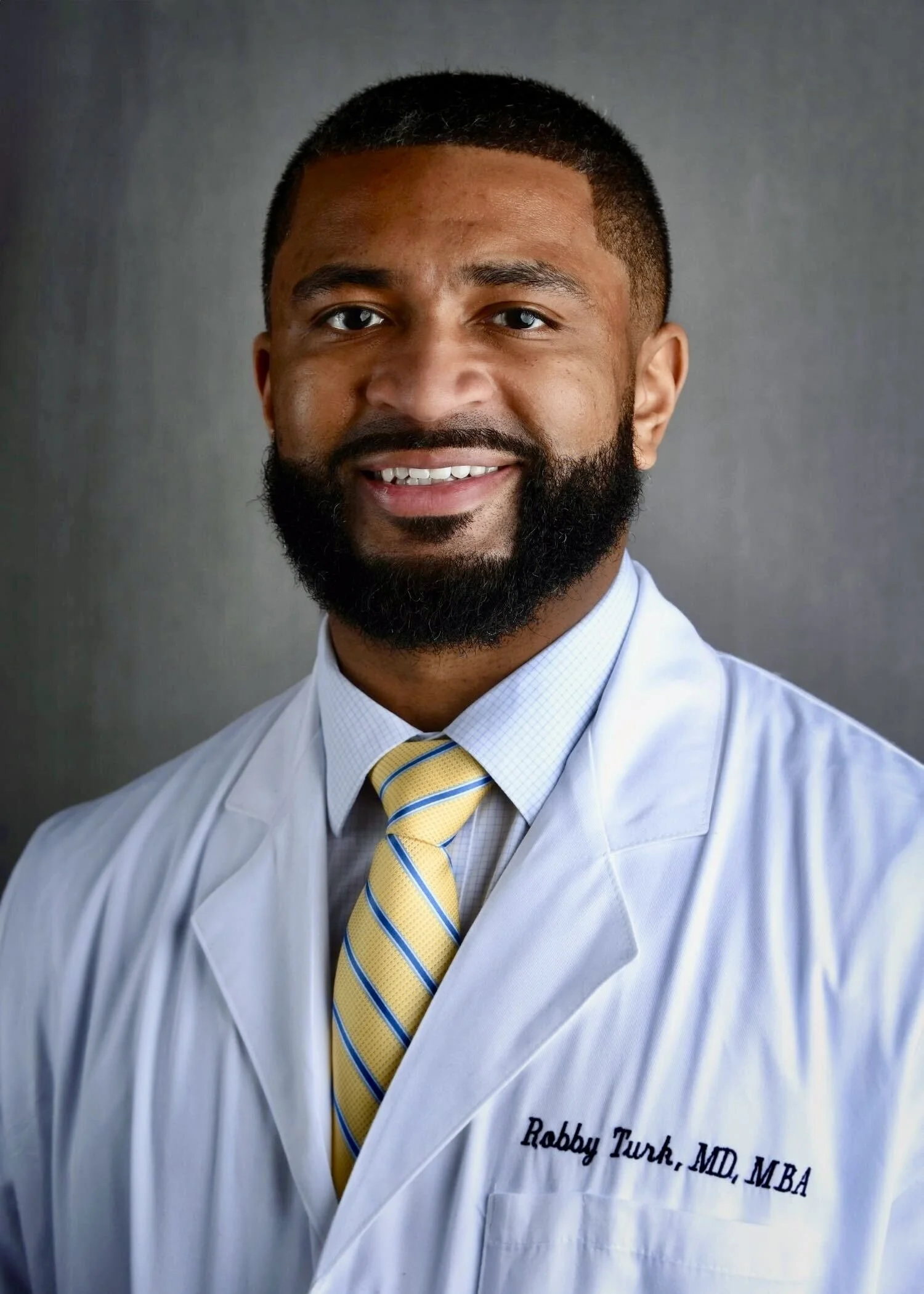
Rob Turk is the Chief Medical Advisor for MyBackHub, Inc. Dr. Turk has a broad foundation of talent in both medicine and business, previously obtaining his MD at the University of California, San Diego School of Medicine and his MBA at the University of Virginia Darden School of Business. As an entrepreneur and orthopaedic spine surgeon, he has unique and valuable insight on many topics. He is a published author in leading scientific journals such as JBJS and Arthroscopy, has written multiple book chapters, and has been a reviewer for a number of scientific journals. He is passionate about motion preservation and innovation in spine care, health equity, delicious food, and sports.
Disclaimer:
As a service to our readers, MyBackHub provides access to our library of archived content. Please note the date of last review or update on all articles.
No content on this site, regardless of date, should ever be used as a substitute for direct medical advice from your doctor or other qualified clinician.
