

Scoliosis Secrets: 5 Celebrities You Never Knew Had Scoliosis
When people hear “scoliosis,” they often imagine someone limited by pain, restricted movement, or a life defined by their spinal curve. But the truth is far more empowering. Many people with scoliosis lead full, active, and even high-profile lives—including actors, athletes, and musicians.
In fact, some of the most successful celebrities in the world have dealt with scoliosis—and not only have they overcome it, they have thrived in physically demanding careers.
At MyBackHub, we believe in demystifying scoliosis and showing what’s possible. So here’s your insider look at five celebrities you probably didn’t know had scoliosis—and how they’re proving that a spinal curve doesn’t define your future.
1. Usain Bolt – The World’s Fastest Man
Yes, the fastest human on Earth has scoliosis.
Usain Bolt, the Jamaican Olympic legend, has openly shared that he has scoliosis. His curve caused asymmetry in his stride and challenges with lower back tightness throughout his career. But with a strong training program, expert care, and personal adaptation, Bolt managed to win eight Olympic gold medals and break multiple world records.
His story shows that scoliosis doesn’t have to be a limitation—it can be a feature you learn to manage, even at the highest level of performance.
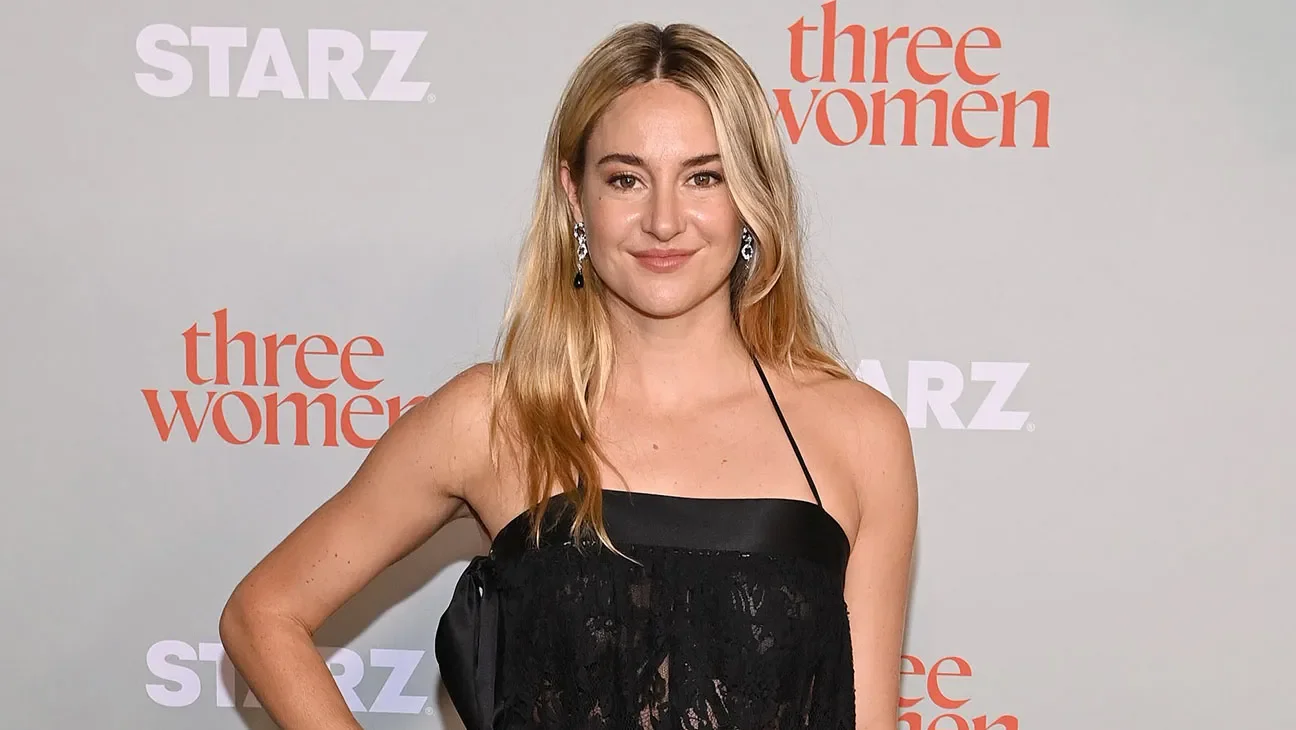
2. Shailene Woodley – Actress, Activist, and Scoliosis Advocate
Best known for her roles in The Fault in Our Stars and Big Little Lies, Shailene Woodley was diagnosed with scoliosis at age 15. Her curve was significant enough to require a brace, which she wore 18 hours a day for two years.
Rather than let it slow her down, Shailene embraced her journey and has since used her platform to advocate for awareness and confidence around scoliosis.
She reminds us that bracing is not a weakness—it’s a tool. And it doesn’t define your identity or your beauty.
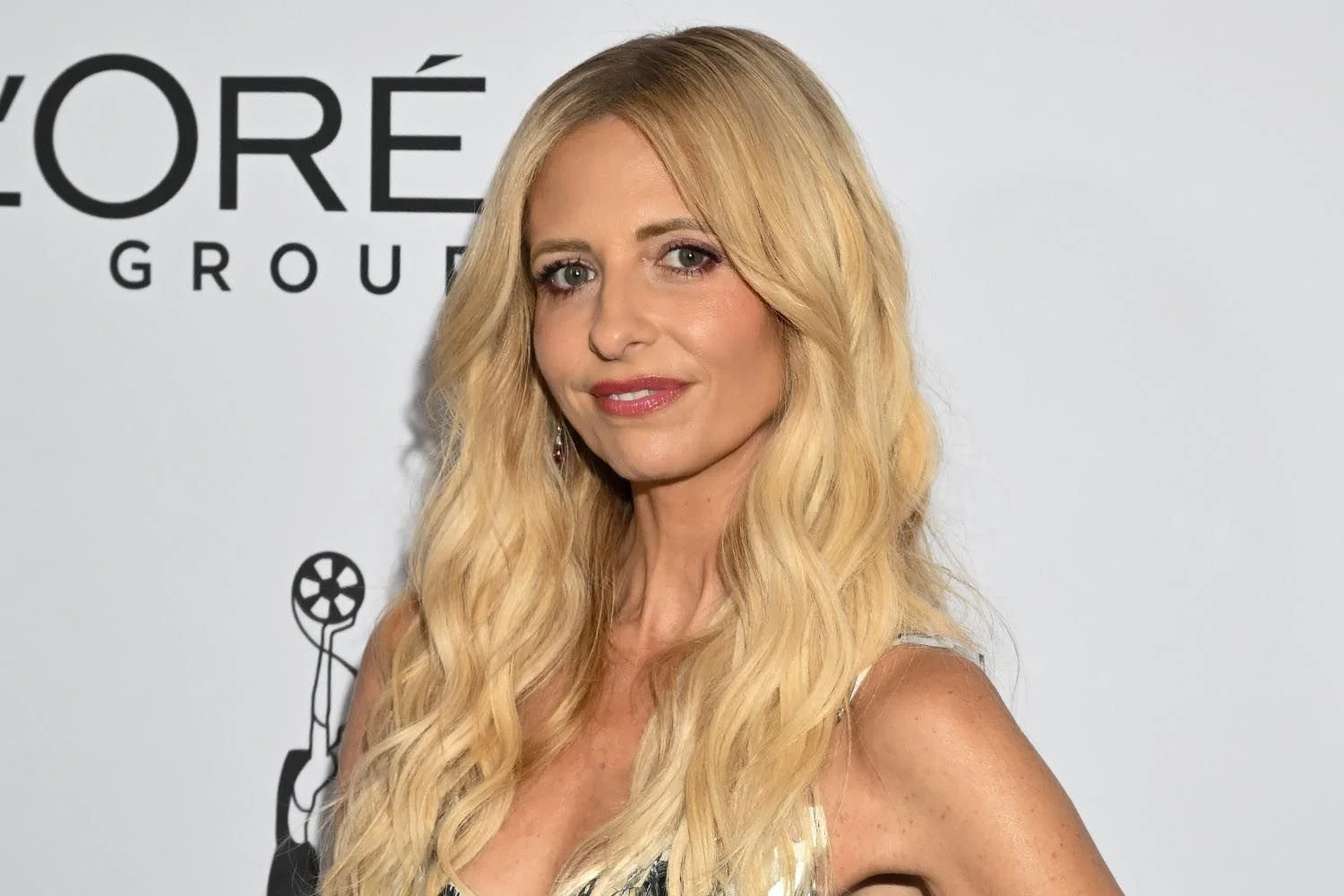
3. Sarah Michelle Gellar – The Original Vampire Slayer
In the late '90s and early 2000s, Sarah Michelle Gellar rose to fame as Buffy the Vampire Slayer. Behind the action scenes and stunts, she quietly dealt with scoliosis.
She’s spoken about managing her back pain through Pilates and physical therapy, finding ways to keep her spine healthy and strong while continuing a physically demanding acting career.
Her story highlights the importance of consistent, nonoperative care, especially for those living with scoliosis into adulthood.
4. Elizabeth Taylor – Hollywood Icon
One of the most iconic actresses of the 20th century, Elizabeth Taylor reportedly had scoliosis from a young age. Despite chronic back pain and spinal issues throughout her life, she starred in over 50 films and won two Academy Awards.
Though medical knowledge and treatment were hard to find during her lifetime, her perseverance and presence continue to inspire. Her journey is a reminder that scoliosis isn’t a modern condition—and that determination, style, and strength can coexist with spinal challenges.
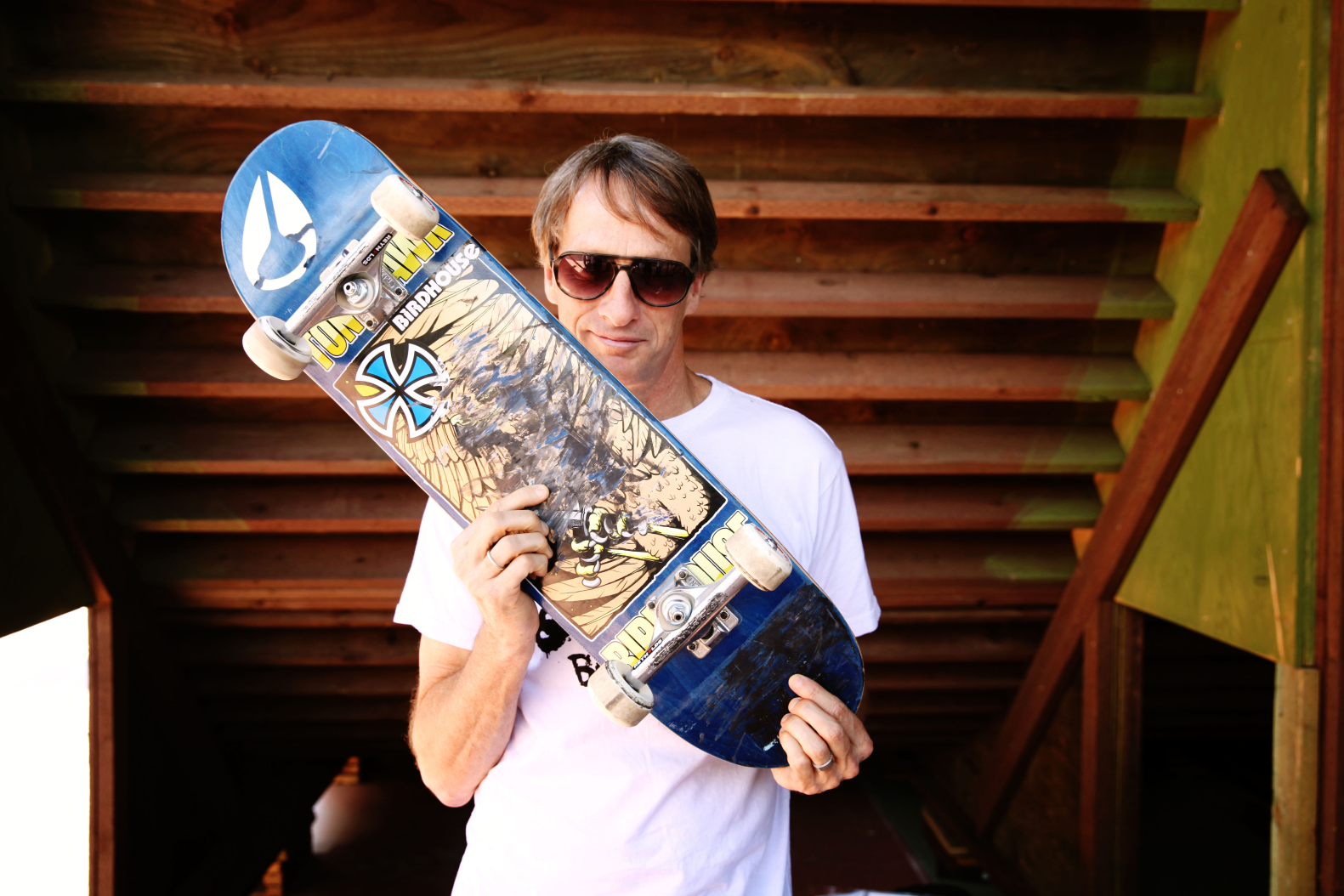
5. Tony Hawk – Legendary Skateboarder
It might surprise you to learn that skateboarding legend Tony Hawk has scoliosis.
Despite the high-impact nature of his sport, Hawk has not only performed complex tricks but revolutionized the world of action sports. His long career is a testament to adaptation, strength, and resilience—qualities familiar to many people living with scoliosis.
He’s an example of what’s possible when you understand your spine, listen to your body, and never stop moving.
What These Celebrities Teach Us About Scoliosis
Scoliosis isn’t something that only happens to “other people.” It affects millions—and doesn’t discriminate based on fame, fortune, or physical talent. But these stars prove that with the right mindset, support, and care plan, scoliosis doesn’t have to hold you back.
Whether you’re navigating bracing, physical therapy, or simply managing mild scoliosis as an adult, there are real, proven paths to strength and confidence.
At MyBackHub, we offer modern, nonoperative scoliosis care designed for real life—because we believe your curve doesn’t control your future. You do.
Want more inspiration or guidance on how to manage your scoliosis from home? Explore our resources or reach out to our team—we’re here to support your journey.
About the Author:
Rob Turk, MD, MBA
Chief Medical Advisor, MyBackHub
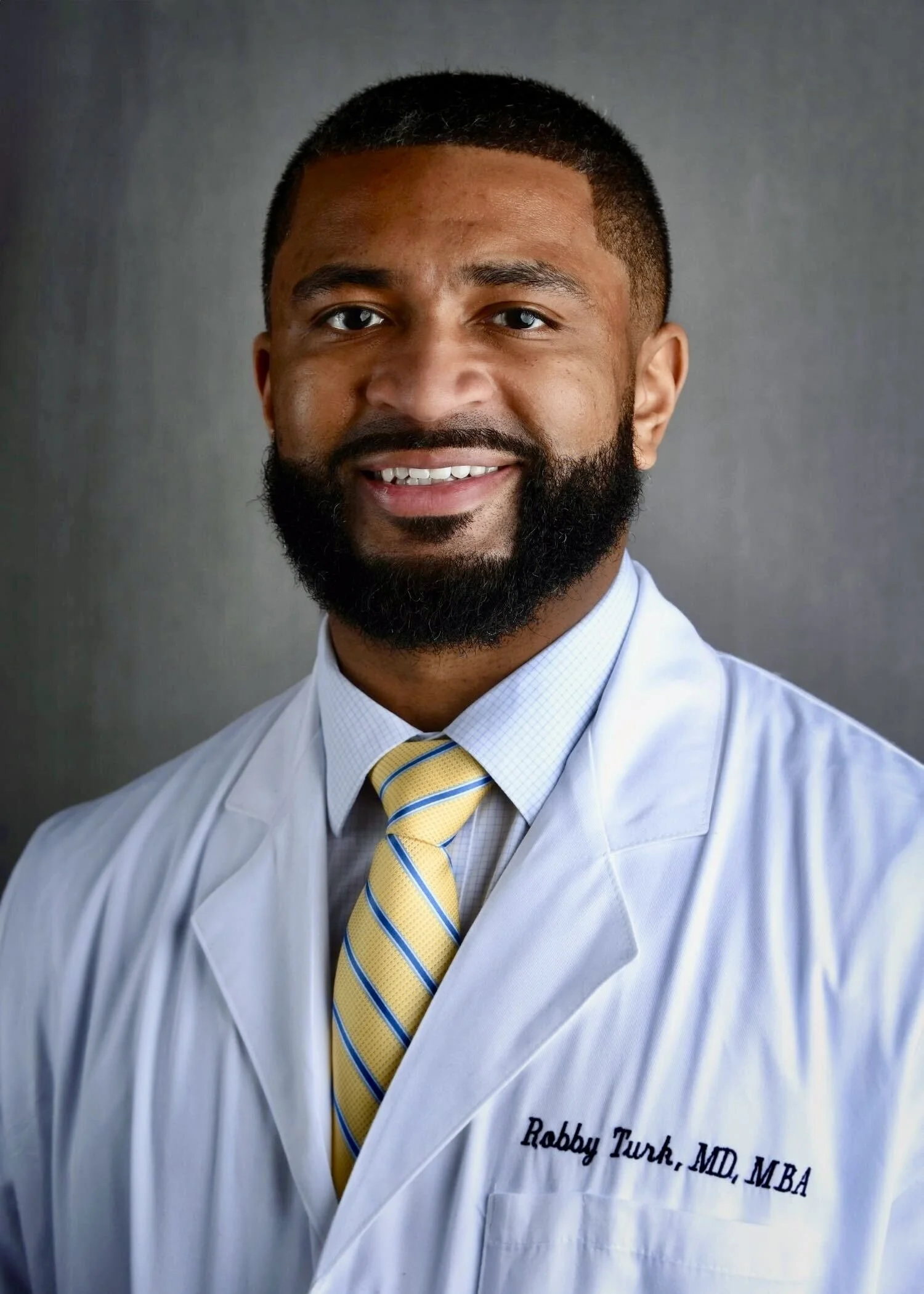
Rob Turk is the Chief Medical Advisor for MyBackHub, Inc. Dr. Turk has a broad foundation of talent in both medicine and business, previously obtaining his MD at the University of California, San Diego School of Medicine and his MBA at the University of Virginia Darden School of Business. As an entrepreneur and orthopaedic spine surgeon, he has unique and valuable insight on many topics. He is a published author in leading scientific journals such as JBJS and Arthroscopy, has written multiple book chapters, and has been a reviewer for a number of scientific journals. He is passionate about motion preservation and innovation in spine care, health equity, delicious food, and sports.
Disclaimer:
As a service to our readers, MyBackHub provides access to our library of archived content. Please note the date of last review or update on all articles.
No content on this site, regardless of date, should ever be used as a substitute for direct medical advice from your doctor or other qualified clinician.
