

Scoliosis and Emotional Health

Scoliosis is often seen as a structural problem—curves on an X-ray, measurements, degrees, and treatment plans focused on straightening the spine. But anyone living with scoliosis knows it’s more than a physical condition. There’s an emotional layer too—one that’s rarely addressed in the exam room.
Whether you’ve lived with scoliosis since childhood or received a diagnosis as an adult, the emotional toll can be real and lasting. From body image concerns and chronic pain to feelings of isolation or uncertainty, scoliosis can quietly affect your mental well-being.
It’s time we start talking about it.
More Than a Curve: The Mental Health Impact
Research increasingly confirms what many scoliosis patients have long felt: chronic back pain and spinal deformities can be linked to higher rates of depression, anxiety, and emotional distress.
A 2021 review in Spine Journal found that individuals with scoliosis experience significantly higher levels of psychological distress compared to the general population.
Chronic pain—regardless of cause—has been strongly linked to anxiety and depression. The longer the pain persists, the more it can affect emotional resilience and quality of life.
Adolescents with scoliosis, particularly those undergoing bracing or dealing with visible curvature, are at increased risk for issues related to self-esteem and social anxiety.
Yet in most clinics, these emotional components are barely mentioned—let alone treated. That silence can make people feel like they’re the only ones struggling emotionally, even though the reality is far more common.
Why Pain and Emotions Are Interconnected
Pain doesn’t just live in your spine—it’s processed in your brain. And when the brain is under stress, anxious, or fatigued, it can amplify the experience of pain.
This is called central sensitization, and it helps explain why back pain sometimes lingers even when imaging findings don’t seem “severe.” Your emotional state can turn the volume up—or down—on your symptoms.
Likewise, persistent physical discomfort can drain your mental energy, making you more vulnerable to depression, irritability, or hopelessness. It’s a feedback loop that many people with scoliosis get caught in—but rarely talk about.
The Role of Mental Health Support in Scoliosis Care
Just as you would treat muscle tightness or poor posture, your emotional health deserves care and attention too. Mental therapy and behavioral strategies have been shown to play a powerful role in improving both mood and pain outcomes in people with back pain.

Here’s how:
Cognitive Behavioral Therapy (CBT)
CBT helps reframe unhelpful thoughts related to pain, appearance, or fear of movement. Studies show it can reduce pain intensity and improve function—even when structural changes in the spine remain the same.
Mindfulness and Acceptance-Based Strategies
Mindfulness practices can teach your nervous system how to respond more calmly to discomfort. Programs like MBSR (Mindfulness-Based Stress Reduction) have been shown to reduce both pain and anxiety.
Talk Therapy
Speaking to a licensed therapist about body image concerns, medical trauma, or chronic pain experiences can ease emotional burdens that scoliosis sometimes creates.
Support Groups or Peer Networks
Connecting with others who live with scoliosis can help reduce isolation, normalize emotional reactions, and offer encouragement from those who understand.

You’re Not Broken—and You’re Not Alone
If you’ve ever felt like scoliosis makes you “different” or “less than,” please know this: there’s nothing weak about feeling emotionally affected by a physical condition. You’re human.
It’s okay to feel frustrated. It’s okay to feel afraid. And it’s okay to seek help—not just for your spine, but for your heart and mind, too.
Pain and posture may be part of your story, but they do not define your worth or your future. You are more than your X-ray. More than your curve. More than the pain you feel.
Healing is possible—not just physically, but emotionally too. And even when the path feels slow or complicated, there is always hope.
You deserve to be seen. You deserve to be heard. And most of all—you deserve to feel better.
We have created a supportive community of people just like you as well as experts that can guide you down a better path to make sure you get exactly that.
What are your thoughts about this article? Share them with the MyBackHub community on our community page here.
Have you been diagnosed with scoliosis? Scoliosis Realignment Therapy helps you understand your curve and start a clear path toward relief. Learn more and get started here.
About the Author:
Rob Turk, MD, MBA
Chief Medical Advisor, MyBackHub
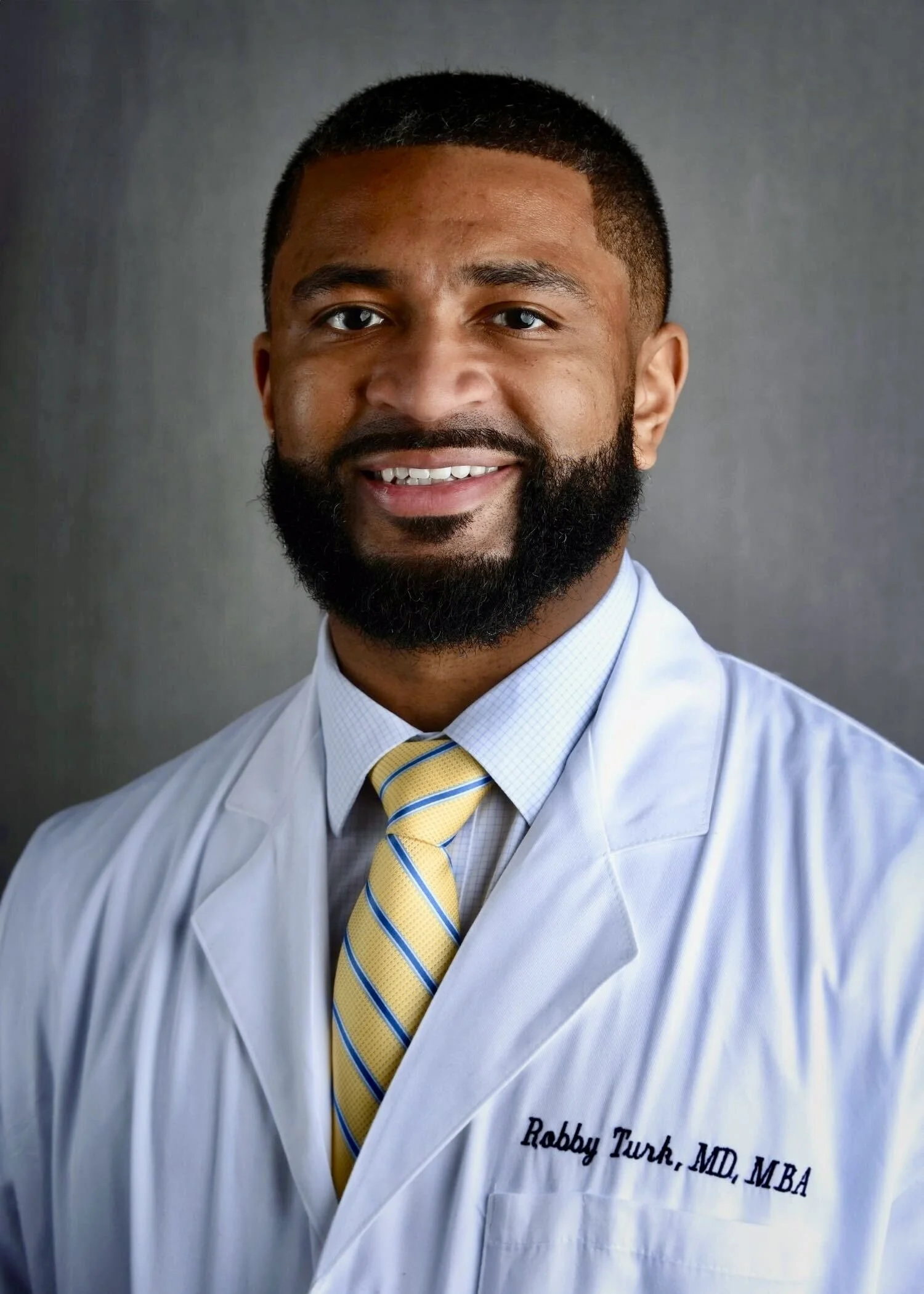
Rob Turk is the Chief Medical Advisor for MyBackHub, Inc. Dr. Turk has a broad foundation of talent in both medicine and business, previously obtaining his MD at the University of California, San Diego School of Medicine and his MBA at the University of Virginia Darden School of Business. As an entrepreneur and orthopaedic spine surgeon, he has unique and valuable insight on many topics. He is a published author in leading scientific journals such as JBJS and Arthroscopy, has written multiple book chapters, and has been a reviewer for a number of scientific journals. He is passionate about motion preservation and innovation in spine care, health equity, delicious food, and sports.
Disclaimer:
As a service to our readers, MyBackHub provides access to our library of archived content. Please note the date of last review or update on all articles.
No content on this site, regardless of date, should ever be used as a substitute for direct medical advice from your doctor or other qualified clinician.
